
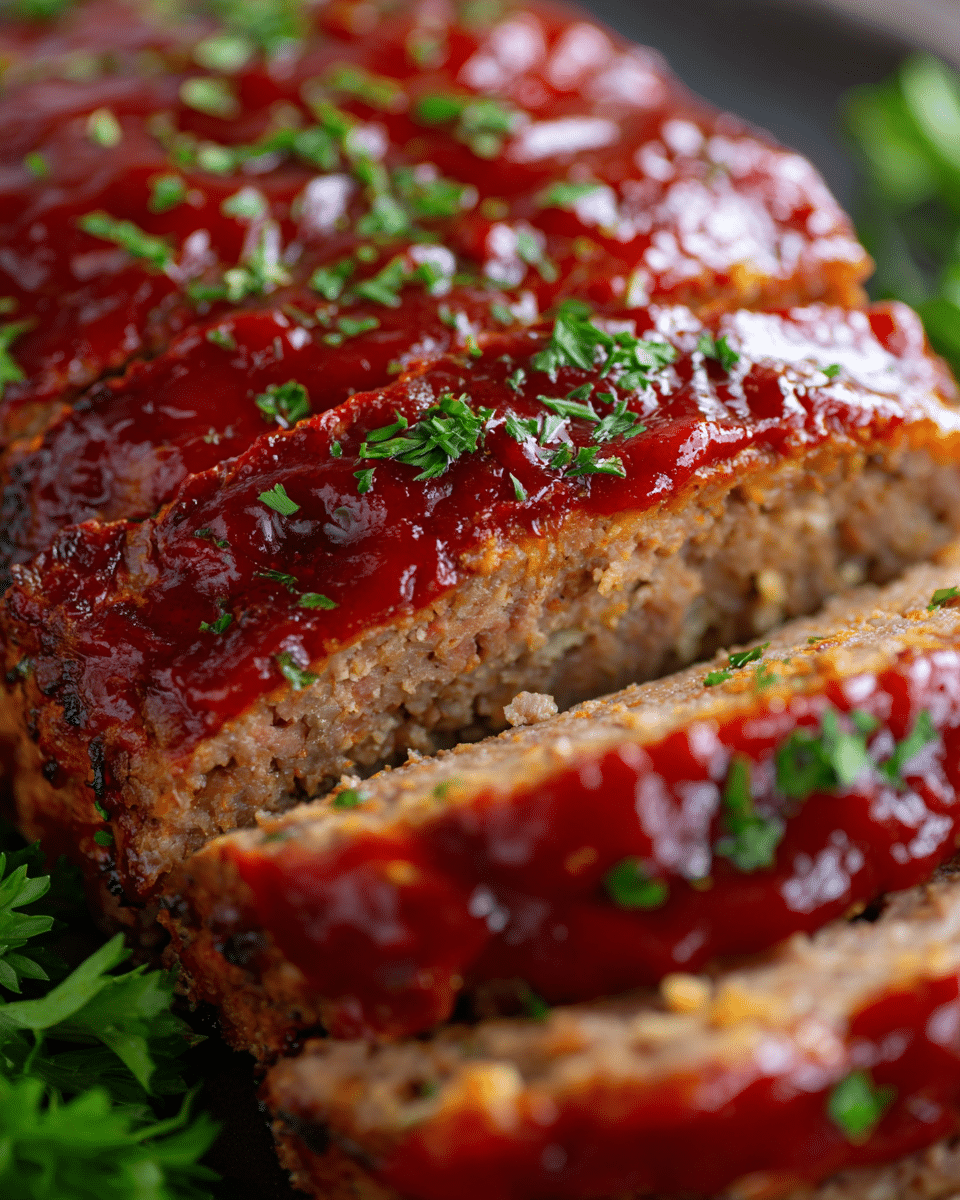
Meatloaf is a true comfort food classic—rich, hearty, and nostalgic. Whether it’s Sunday dinner with the family or a midweek meal prep hero, a perfectly baked meatloaf is hard to beat. This version balances savory flavor, moisture, and structure for a juicy, tender slice every time. No dry or crumbly mess—just real, satisfying home-cooked goodness.
This meatloaf recipe is inspired by time-tested American tradition, with roots stretching back to frugal colonial kitchens and evolving into the diner-era staple many of us grew up with. What makes this meatloaf stand out? A blend of meats, a flavorful mix of aromatics, the right binders, and a sweet-tangy glaze that caramelizes beautifully in the oven.
Let’s walk through the ingredients and methods that bring this satisfying loaf to life.
Ingredients Overview: The Building Blocks of Perfect Meatloaf
Each ingredient in this recipe plays a crucial role in achieving the right balance of texture, taste, and moisture:
Ground Beef (80/20)
We use beef with a higher fat content (80% lean, 20% fat) to keep the loaf moist. Leaner beef can make meatloaf dry. If you’re watching fat content, consider mixing 90/10 beef with pork or veal.
Ground Pork
Blending pork with beef adds richness and softness. Pork’s fat and slightly sweet profile balance the deep savoriness of the beef.
Onion & Garlic
Sautéed onions and garlic infuse the loaf with flavor. Cooking them first ensures they soften properly and lose raw sharpness, melting into the meat mixture.
Breadcrumbs
They absorb moisture and act as a binder, holding the meat together while creating a tender texture. Panko or plain breadcrumbs work best.
Milk
Soaking breadcrumbs in milk is an old-school technique called a “panade.” It adds crucial moisture, helping prevent a dense or dry loaf.
Eggs
Eggs bind the ingredients together and help the loaf set. Two large eggs provide the perfect structure.
Worcestershire Sauce
Just a few dashes add umami depth and that signature meatloaf savoriness.
Ketchup (for both inside and glaze)
Ketchup inside the meat mixture adds tang and sweetness. For the glaze, it caramelizes beautifully, adding a sticky top that’s irresistible.
Brown Sugar & Dijon Mustard (for glaze)
Brown sugar adds molasses sweetness while mustard offers contrast with tang. Together with ketchup, it’s the ultimate topping trio.
Seasonings: Salt, Pepper, Thyme
Simple is better. A touch of dried thyme adds herbal warmth. Always season well—under-seasoned meatloaf is a common fail.
Step-by-Step Instructions: Crafting the Perfect Meatloaf
Creating the best meatloaf is about layering flavors, managing moisture, and baking just right.
1. Preheat and Prep
Set your oven to 350°F (175°C). Line a baking sheet with parchment or foil for easier cleanup. Avoid loaf pans—they can cause steaming and sogginess. A free-form loaf allows for better browning.
2. Sauté the Aromatics
In a small skillet, heat a tablespoon of olive oil. Sauté 1 finely chopped onion over medium heat until translucent, about 5–7 minutes. Add 3 minced garlic cloves, cook another minute. Let cool slightly before adding to the meat mixture.
3. Make the Panade
In a large bowl, mix 3/4 cup breadcrumbs with 1/2 cup milk. Let it soak for 5 minutes. This ensures a moist loaf and prevents dry, compact texture.
4. Mix the Meatloaf
To the breadcrumb mixture, add:
-
Sautéed onion and garlic
-
1 lb ground beef
-
1 lb ground pork
-
2 beaten eggs
-
1/4 cup ketchup
-
1 tbsp Worcestershire sauce
-
1 tsp salt
-
1/2 tsp black pepper
-
1/2 tsp dried thyme
Use clean hands or a fork to gently mix until just combined. Avoid over-mixing—it leads to a dense loaf.
5. Shape and Bake
Form the mixture into a loaf shape (about 9×5 inches) on your prepared baking sheet. Bake uncovered for 40 minutes.
6. Glaze and Finish Baking
While it bakes, whisk together your glaze:
-
1/3 cup ketchup
-
2 tbsp brown sugar
-
1 tbsp Dijon mustard
After 40 minutes, brush the glaze generously over the meatloaf. Return to the oven and bake another 20–25 minutes, or until internal temperature reaches 160°F (71°C).
7. Rest and Slice
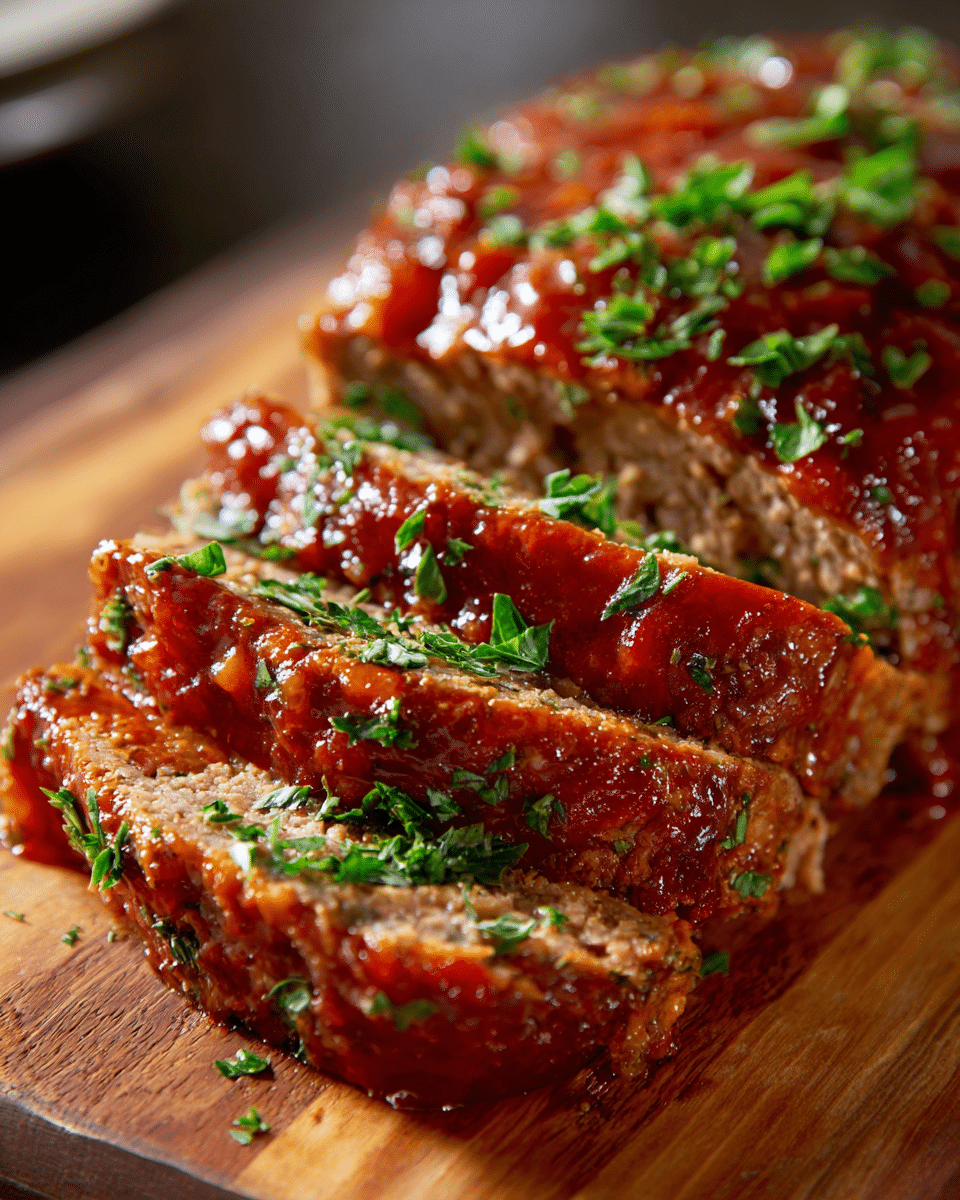
Let the meatloaf rest 10 minutes before slicing. This helps juices redistribute, keeping each slice moist and clean-cut.
Tips, Variations & Substitutions
Helpful Tips
-
Use your hands to mix gently—this gives you more control.
-
Don’t skip the rest time—it’s as important as the bake.
-
Double the glaze if you love that sticky-sweet crust.
Common Variations
-
Add veggies: Finely diced carrots, celery, or bell peppers add nutrition and moisture.
-
Italian-style: Swap Worcestershire for balsamic, add grated Parmesan, and season with oregano and basil.
-
Spicy: Mix in chipotle peppers in adobo or add a splash of hot sauce to the glaze.
Substitutions
-
Gluten-free: Use GF breadcrumbs or rolled oats.
-
Dairy-free: Swap milk for broth or unsweetened plant-based milk.
-
No pork: Use all beef or substitute with ground turkey or chicken, but adjust moisture accordingly.
Serving Ideas & Occasions
This meatloaf fits both casual and special settings:
Weeknight Comfort
Serve thick slices with mashed potatoes and green beans for a cozy family dinner.
Meal Prep Magic
Slices reheat beautifully and are freezer-friendly. Great for sandwiches, grain bowls, or lunchboxes.
Holiday Table
Add a touch of rustic charm to a non-traditional holiday meal with homemade cranberry glaze or serve with roasted winter vegetables.
Party Option
Mini meatloaf muffins baked in a muffin tin make perfect party appetizers or individual servings.
Nutritional & Health Notes
This meatloaf is protein-rich and satisfying, with balanced macros per serving:
-
Protein: Beef and pork deliver complete protein for muscle repair and fullness.
-
Fats: The blend offers essential fats; for lighter fare, swap in leaner meats.
-
Carbs: Breadcrumbs and glaze add a moderate amount of carbohydrates.
-
Fiber & Vitamins: Add vegetables to the mix for extra fiber, vitamin A, and antioxidants.
Opt for grass-fed beef for higher omega-3s, or mix in flaxseed meal for added fiber and nutrients.
FAQ: Your Meatloaf Questions Answered
1. How do I keep meatloaf from falling apart?
Use the right binder ratio—breadcrumbs, milk, and eggs work together to hold the loaf. Don’t skip the soaking step, and be sure not to over-mix, which breaks down the protein structure.
2. Can I make this meatloaf ahead of time?
Yes! You can fully assemble the loaf up to 1 day in advance. Wrap tightly in plastic wrap and refrigerate. Let it sit at room temp for 30 minutes before baking.
3. How long does cooked meatloaf last in the fridge?
It stays fresh for 3–4 days in an airtight container. Reheat in the oven or microwave. To keep it moist, cover with foil when reheating.
4. Can I freeze meatloaf?
Absolutely. Freeze the raw loaf wrapped in plastic and foil, or freeze slices of cooked meatloaf. Thaw overnight in the fridge, then bake or reheat.
5. Why is my meatloaf dry?
Dry meatloaf often results from using lean meat without enough fat, skipping the panade (breadcrumb-milk mix), or overcooking. Always check internal temp and pull it at 160°F.
6. What’s the best way to reheat meatloaf without drying it out?
Wrap slices in foil and reheat in a 325°F oven for 15–20 minutes. You can add a splash of broth or water before sealing in foil to boost moisture.
7. Can I make this recipe in a loaf pan?
You can, but it tends to trap steam, resulting in less browning. For crispier edges and better texture, a free-form loaf on a baking sheet is preferred.