
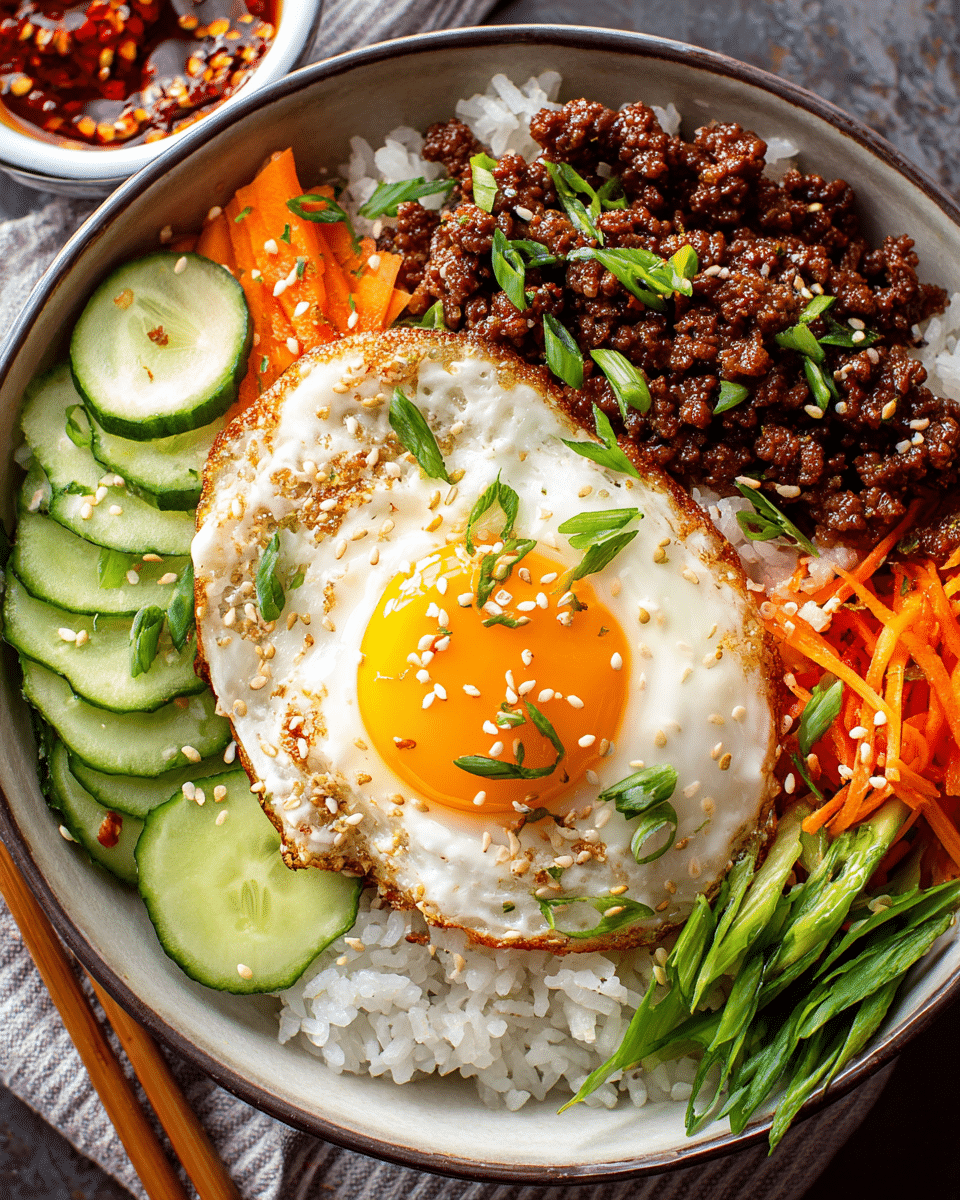
If you’re craving bold flavor without the fuss, this Quick & Easy Korean Ground Beef Bowl delivers everything you love about Korean cuisine—sweet, savory, slightly spicy beef served over fluffy rice—in under 30 minutes. It’s faster than takeout, made with pantry staples, and totally customizable. Whether you’re feeding a family or meal prepping for the week, this one-pan wonder brings big flavor with minimal effort.
Introduction
Korean cuisine is beloved for its vibrant flavors and comforting dishes, and this simplified version of Korean bulgogi offers that same depth with half the work. Traditional bulgogi uses thinly sliced marinated beef, but this weeknight version swaps in ground beef for speed and convenience—without sacrificing taste.
Inspired by Korean home-cooking and street food, this recipe combines ground beef with a soy-based sauce, garlic, sesame oil, and just a touch of brown sugar to mimic that iconic sweet-savory bulgogi profile. Piled on top of steamy rice and garnished with green onions and sesame seeds, it’s a budget-friendly favorite that’s satisfying, flavorful, and deeply comforting.
Ingredients Overview
Each ingredient in this recipe plays a key role in building layers of bold, umami-packed flavor.
Ground Beef
-
Lean ground beef (85/15 or 90/10) works well for balance—you want some fat for flavor, but not too much grease.
-
Ground turkey, chicken, or plant-based crumbles can also be used.
Garlic
-
Fresh minced garlic is a must—it brings pungent, aromatic depth and is key to the Korean flavor base.
Soy Sauce
-
Adds umami and saltiness, creating the rich foundation for the sauce.
-
Use low-sodium soy sauce if you’re watching your salt intake.
Brown Sugar
-
Light brown sugar balances the saltiness and gives the beef that signature bulgogi sweetness.
-
Adds slight caramelization to the meat when cooked.
Sesame Oil
-
A finishing oil that infuses nutty, toasty flavor.
-
A small amount goes a long way—don’t skip it!
Ginger
-
Fresh grated ginger or ground ginger brings subtle warmth and a hint of spice.
-
Helps balance the richness of the beef.
Crushed Red Pepper Flakes
-
Optional, but adds a gentle heat that enhances the overall flavor.
-
Korean gochugaru (Korean chili flakes) can be used for a more authentic touch.
Cooked White Rice
-
Short- or medium-grain rice is the traditional base for Korean bowls.
-
Brown rice or cauliflower rice work great for substitutions.
Green Onions & Sesame Seeds
-
These add brightness, crunch, and visual appeal.
-
They contrast the rich beef perfectly.
Step-by-Step Instructions
This entire meal comes together in one skillet and one pot of rice. Here’s how to do it right:
1. Cook the Rice
-
Start your rice first, so it’s ready when the beef is done.
-
For extra flavor, cook rice in chicken broth instead of water.
2. Brown the Ground Beef
-
In a large skillet over medium-high heat, add 1 tablespoon of oil (optional if your beef is lean).
-
Add 1 lb ground beef and cook, breaking it apart with a spatula, until browned and no longer pink (about 6–8 minutes).
-
Drain excess grease if necessary.
3. Add Garlic and Ginger
-
Stir in 3–4 cloves of minced garlic and 1 teaspoon grated fresh ginger.
-
Cook for 1 minute until fragrant.
4. Stir in the Sauce
In a small bowl, whisk together:
-
¼ cup soy sauce
-
2 tablespoons brown sugar
-
1 tablespoon sesame oil
-
½ teaspoon crushed red pepper flakes (optional)
Pour over the beef and stir to coat evenly.
-
Let the mixture simmer for 2–3 minutes until slightly thickened and glossy.
5. Assemble the Bowls
-
Spoon rice into bowls.
-
Top with the saucy Korean beef.
-
Garnish with chopped green onions and toasted sesame seeds.
Dinner’s ready in less than 30 minutes, and the flavor is restaurant-quality!
Tips, Variations & Substitutions
Expert Tips
-
Don’t overcook the beef. Once it’s browned and crumbly, stop cooking or it will dry out.
-
Use day-old rice if you’re turning this into fried rice later.
-
Double the sauce if you like extra to drizzle over the rice or veggies.
Variations
-
Korean BBQ Bowl: Add sautéed vegetables like zucchini, carrots, and mushrooms.
-
Spicy Gochujang Twist: Stir in 1 tablespoon of gochujang (Korean chili paste) for deeper heat and flavor.
-
Lettuce Wraps: Serve the beef in butter lettuce leaves for a low-carb version.
Substitutions
-
Beef: Use ground chicken, turkey, or pork. Even tofu crumbles work!
-
Brown Sugar: Swap with honey or coconut sugar.
-
Soy Sauce: Tamari or coconut aminos for gluten-free options.
Serving Ideas & Occasions
This dish is incredibly versatile and fits into many meals and settings.
-
Busy weeknights: One pan + 30 minutes = dinner done.
-
Meal prep: Pack individual servings with rice and veggies for easy lunches.
-
Family dinners: Kids love the sweet-savory flavor.
-
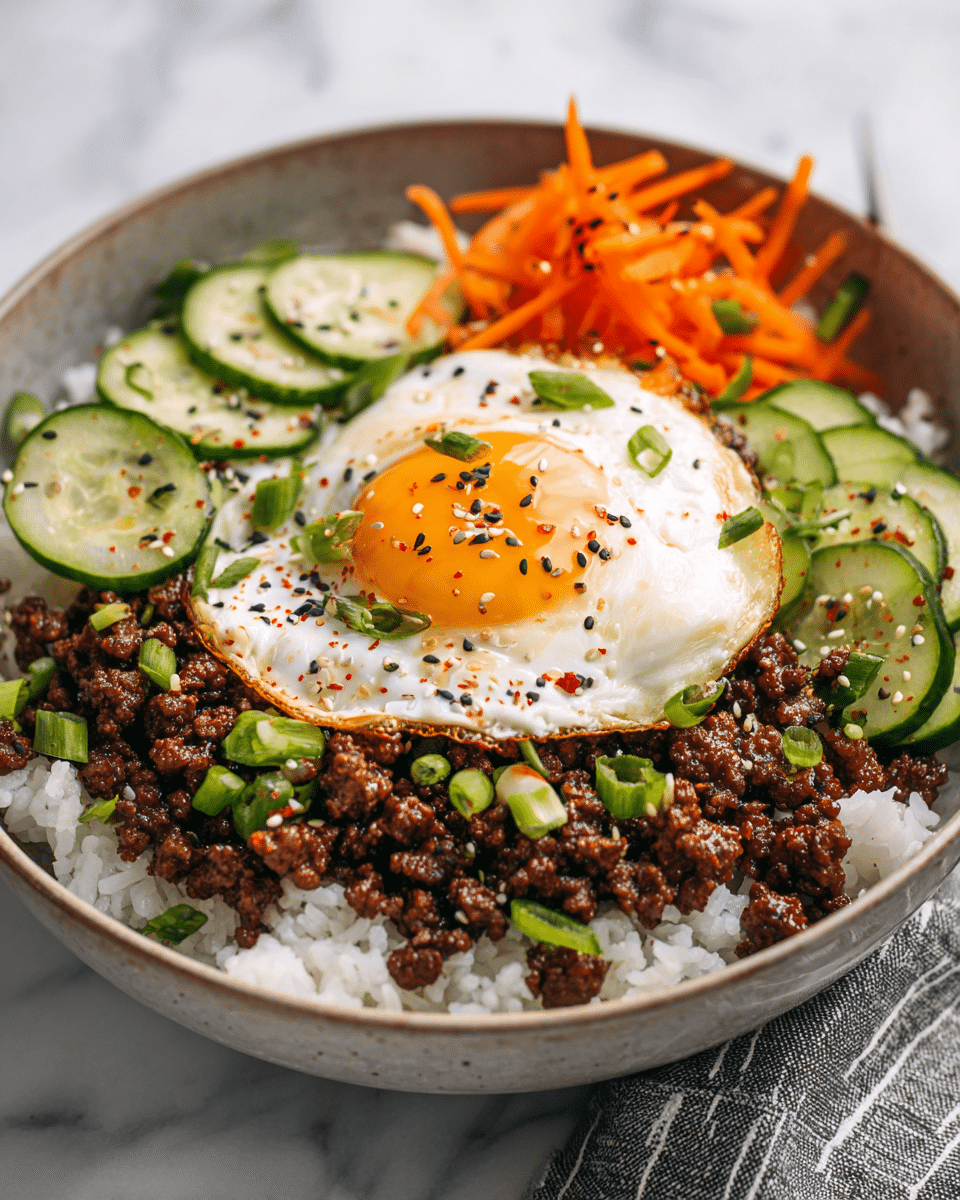
Build-your-own bowls: Serve buffet-style with toppings like kimchi, cucumbers, or fried eggs.
Great pairings:
-
Steamed broccoli
-
Kimchi or pickled vegetables
-
Fried or soft-boiled egg on top
-
Sriracha mayo drizzle
Nutritional & Health Notes
This dish strikes a nice balance between protein, carbs, and fat—but you can tweak it to fit your dietary goals.
Protein
-
Ground beef offers 20–25g of protein per serving.
-
High-protein and satisfying, even in small portions.
Carbs
-
The brown sugar and rice add moderate carbs, but you can lower that with cauliflower rice or low-carb sweetener.
Fats
-
Sesame oil and ground beef provide healthy fats, but you can control total fat by using leaner meat or skipping oil in cooking.
Nutrient Boost
-
Add shredded carrots or steamed spinach to increase fiber and vitamins.
-
Top with a fried egg for extra protein and healthy fats.
FAQ
1. Can I use ground turkey or chicken instead?
Yes! Ground turkey or chicken works beautifully and lightens up the dish. You may want to add a little oil while cooking since they’re leaner meats.
2. Is this dish spicy?
Only slightly—thanks to optional crushed red pepper flakes. To increase the heat, add gochujang or sriracha. For a mild version, skip the spice.
3. Can I make this ahead of time?
Yes, it stores very well. Make the beef and rice up to 4 days ahead. Store in airtight containers and reheat in the microwave or skillet.
4. Is this recipe freezer-friendly?
Absolutely. Freeze the cooked beef (without rice) in a sealed bag for up to 3 months. Thaw overnight in the fridge and reheat in a skillet.
5. What kind of rice should I use?
Short- or medium-grain white rice is most common. Brown rice, jasmine, or even quinoa work depending on your preference.
6. Can I make this dish gluten-free?
Yes—just use gluten-free tamari or coconut aminos in place of soy sauce. Check your sesame oil label as well.
7. What toppings go well with Korean beef bowls?
Great toppings include green onions, sesame seeds, shredded carrots, kimchi, cucumber slices, fried eggs, and chili oil for heat.