
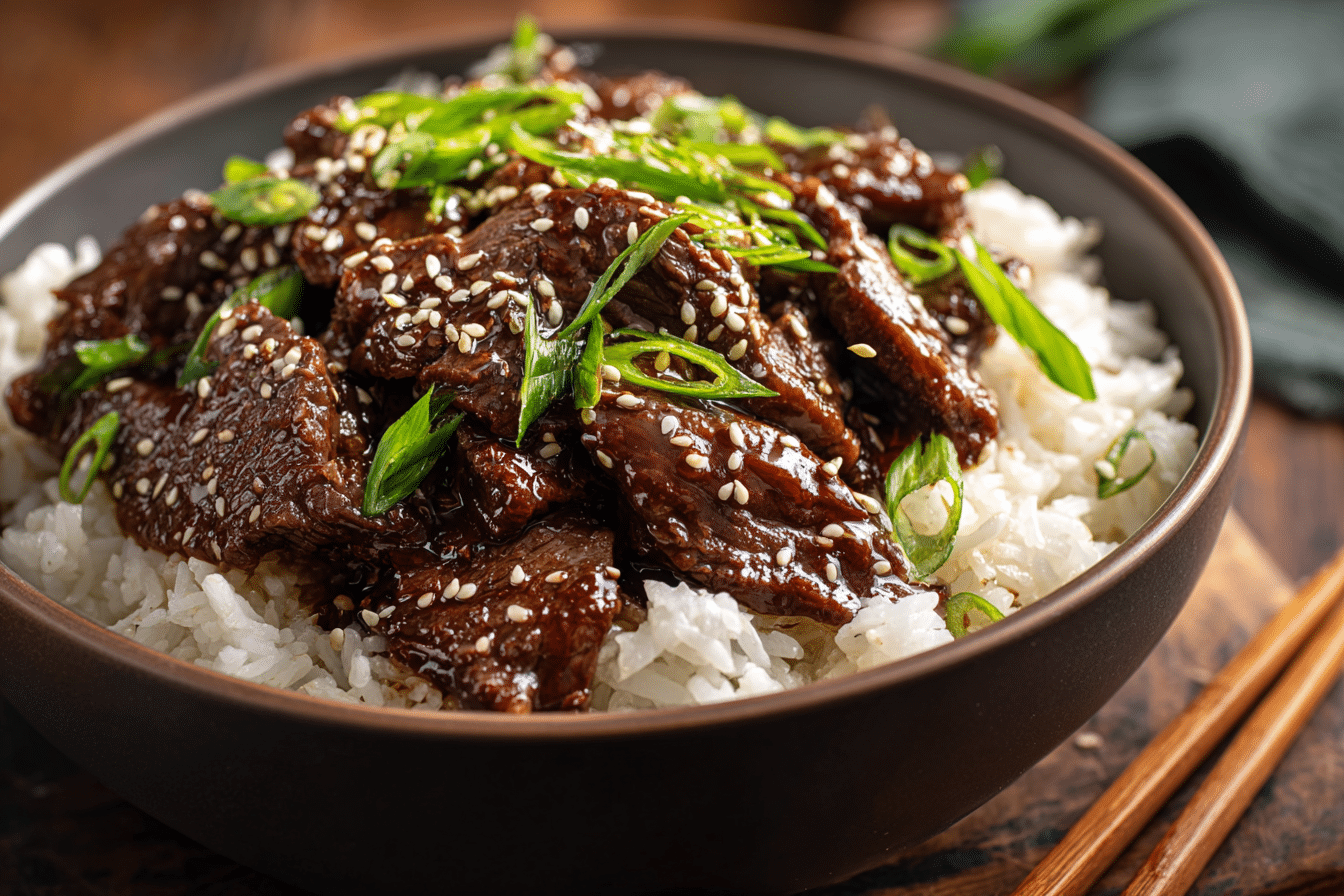
Korean Beef Bowls bring together savory ground beef, warm rice, and bold seasonings in a way that feels deeply comforting and satisfying. This dish captures the essence of Korean-inspired flavors with soy sauce, garlic, sesame oil, and a hint of sweetness, all balanced in a single bowl.
The beauty of Korean Beef Bowls lies in their simplicity. In about 30 minutes, you can have a hearty meal that tastes like it simmered for hours. The beef is tender and richly seasoned, the rice fluffy and warm, and the toppings fresh and crisp.
Whether you are preparing a quick weeknight dinner or planning meals for the week ahead, Korean Beef Bowls deliver dependable flavor and texture in every bite. Each component complements the other, creating a balanced bowl that feels both nourishing and deeply comforting.
Ingredients Overview
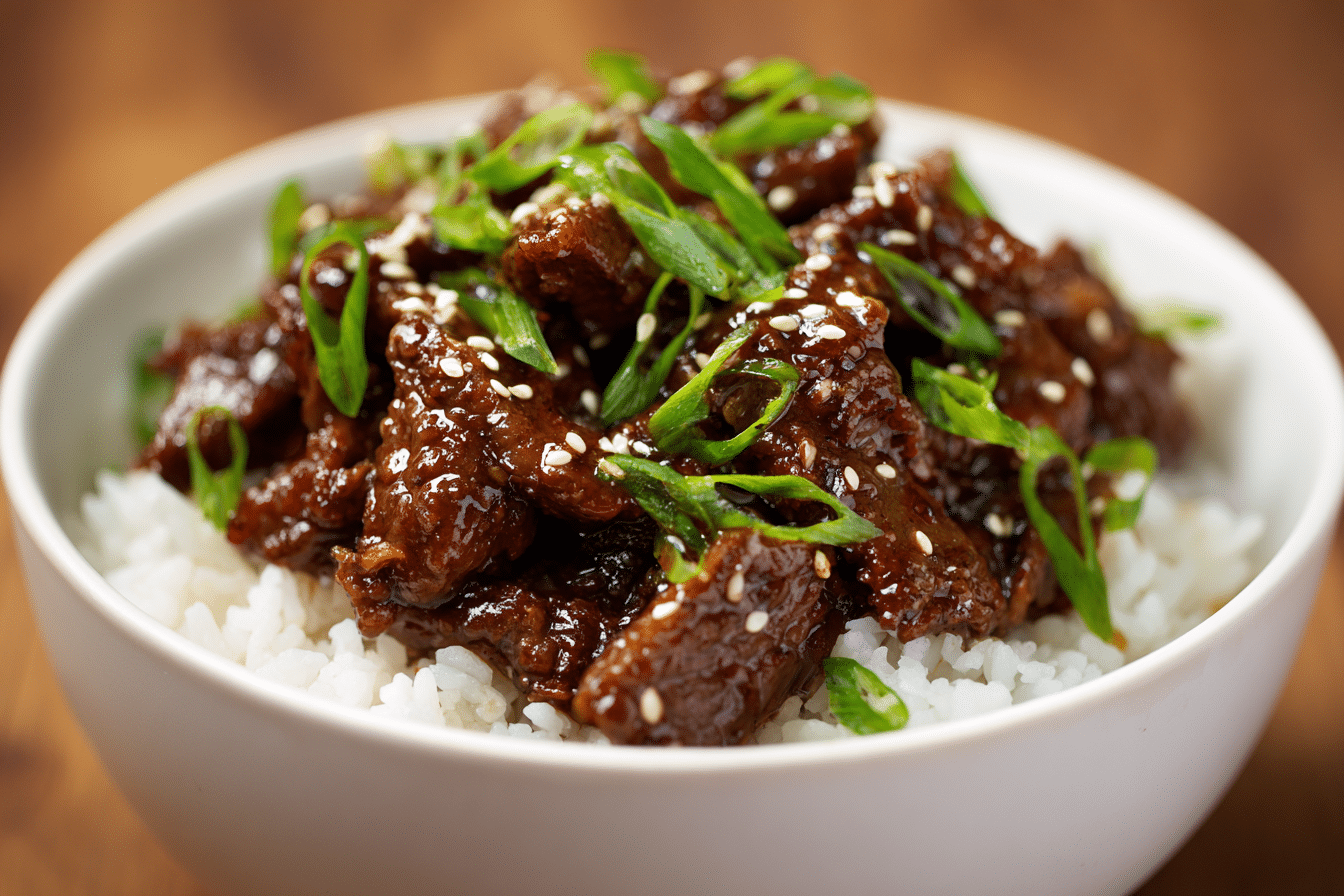
The heart of Korean Beef Bowls is ground beef. An 80/20 blend provides the ideal balance of flavor and tenderness. The slight richness from the fat carries the savory sauce beautifully without feeling heavy. If you prefer something leaner, 90/10 ground beef works well, though the final dish may be slightly less juicy.
Soy sauce forms the savory backbone of the dish. It brings depth and saltiness that infuses the beef as it cooks. Low-sodium soy sauce can be used to control salt levels without sacrificing flavor.
Brown sugar adds a subtle sweetness that balances the salt and garlic. It helps create that classic sweet-savory contrast associated with Korean-style beef. You can substitute honey or coconut sugar if desired.
Fresh garlic and grated ginger provide warmth and aromatic complexity. These ingredients should be freshly minced or grated for the most pronounced flavor. Pre-minced versions can be used in a pinch but may taste milder.
Sesame oil adds a nutty finish. Just a small amount stirred in at the end creates a distinctive aroma. Rice vinegar can be added in small amounts for brightness if you prefer a slightly tangy profile.
Cooked white rice serves as the base. Jasmine rice or short-grain rice both work well. Brown rice is a hearty alternative, offering more fiber and a slightly chewy texture.
Toppings complete the bowl. Sliced green onions add freshness, shredded carrots contribute crunch, and cucumber slices offer cool contrast. A sprinkle of toasted sesame seeds adds texture and visual appeal.
Step-by-Step Instructions
Begin by preparing your rice. Rinse one cup of rice under cold water until the water runs mostly clear. Cook according to package instructions, typically simmering for about 15 minutes, then allowing it to rest covered for 5 to 10 minutes. Fluff with a fork before serving.
While the rice cooks, heat a large skillet over medium-high heat. Add the ground beef, breaking it apart with a wooden spoon. Cook for 5 to 7 minutes, stirring occasionally, until the beef is browned and no longer pink.
If there is excess grease in the pan, carefully drain it, leaving a small amount for flavor. Reduce the heat to medium.
Add minced garlic and grated ginger directly to the beef. Stir continuously for about 30 seconds to 1 minute until fragrant. Be careful not to let the garlic burn, as it can turn bitter quickly.
In a small bowl, combine soy sauce, brown sugar, and a splash of rice vinegar if using. Pour this mixture over the browned beef. Stir thoroughly so the sauce coats every piece.
Allow the beef to simmer gently for 3 to 5 minutes. The sauce will slightly thicken and cling to the meat. If the mixture looks dry, add a tablespoon or two of water to loosen it.
Turn off the heat and stir in sesame oil. Taste and adjust seasoning with additional soy sauce if needed.
To assemble Korean Beef Bowls, spoon warm rice into serving bowls. Top generously with the seasoned beef. Arrange sliced cucumbers, shredded carrots, and chopped green onions around the edges.
Finish with toasted sesame seeds. Serve immediately while the beef is hot and the vegetables remain crisp. Avoid overcooking the beef or letting the sauce reduce too much, as this can make the dish overly salty.
Tips, Variations & Substitutions
For a spicier version of Korean Beef Bowls, add a teaspoon of gochujang or a pinch of red pepper flakes when adding the sauce. This introduces gentle heat without overpowering the savory profile.
Ground turkey or ground chicken can replace beef for a lighter option. Because poultry is leaner, consider adding a teaspoon of oil to the pan to prevent dryness.
If you prefer extra vegetables, stir in finely chopped bell peppers or zucchini during the final few minutes of cooking. They soften quickly and blend seamlessly with the beef.
For a low-carb option, serve the seasoned beef over cauliflower rice. The texture remains satisfying while reducing overall carbohydrate content.
Meal prep is simple with this recipe. Store cooked beef and rice separately in airtight containers in the refrigerator for up to four days. Reheat gently in the microwave with a splash of water to keep the beef moist.
Serving Ideas & Occasions
Korean Beef Bowls are ideal for busy weeknights when you want something hearty without spending hours in the kitchen. They also work beautifully for casual gatherings where guests can build their own bowls with assorted toppings.
Serve alongside a simple cucumber salad dressed with rice vinegar and a pinch of sugar for a refreshing contrast. Lightly steamed broccoli or sautéed spinach also pair well.
For drinks, iced green tea or sparkling water with lemon complements the savory richness of the beef.
These bowls also travel well, making them a practical choice for packed lunches. Layer rice on the bottom and beef on top, keeping fresh toppings separate until ready to eat.
Nutritional & Health Notes
Korean Beef Bowls provide a balanced mix of protein, carbohydrates, and fats. The ground beef offers high-quality protein along with iron and vitamin B12.
Rice supplies energy through carbohydrates, while vegetables add fiber, vitamins, and crunch. Using leaner beef or swapping in ground turkey can reduce overall saturated fat.
Controlling sodium is possible by choosing low-sodium soy sauce and measuring carefully. Adding extra vegetables increases volume and nutrients without significantly increasing calories.
When prepared with moderate portions and fresh ingredients, Korean Beef Bowls fit comfortably into a varied and balanced eating pattern.
FAQs
Can I make Korean Beef Bowls ahead of time?
Yes, Korean Beef Bowls are excellent for meal preparation. Cook the beef mixture and rice separately, then allow them to cool before storing in airtight containers in the refrigerator. They will keep well for up to four days. Reheat the beef gently with a splash of water to maintain moisture. Store fresh toppings like cucumbers and green onions separately and add them just before serving to preserve their crisp texture.
What type of rice works best for Korean Beef Bowls?
Short-grain white rice and jasmine rice are both strong choices because they cook up soft and slightly sticky, which helps absorb the savory sauce. Brown rice can also be used for a nuttier flavor and added fiber. If you prefer something lighter, cauliflower rice is a suitable alternative. The key is cooking the rice properly so it remains fluffy rather than mushy.
Can I freeze the beef mixture?
The seasoned beef freezes well. Allow it to cool completely, then transfer to a freezer-safe container or bag. Freeze for up to three months. Thaw overnight in the refrigerator before reheating in a skillet or microwave. You may need to add a tablespoon of water during reheating to loosen the sauce and restore moisture.
How can I add more vegetables?
You can easily incorporate more vegetables into Korean Beef Bowls. Finely chopped mushrooms blend into the beef and add depth. Bell peppers, shredded cabbage, or spinach can be stirred in during the last few minutes of cooking. Fresh toppings such as radishes or bean sprouts also add crunch and freshness without requiring extra cooking time.
Is this dish very spicy?
Traditional Korean Beef Bowls made with soy sauce and brown sugar are not inherently spicy. The base recipe focuses on savory and slightly sweet flavors. If you enjoy heat, you can stir in gochujang, red pepper flakes, or a drizzle of chili oil. Adjust the amount gradually so the spice complements rather than overwhelms the dish.
What cut of beef is used in Korean Beef Bowls?
Most home-style Korean Beef Bowls use ground beef for convenience and quick cooking. An 80/20 blend provides a juicy texture and rich flavor. Leaner blends are suitable if you prefer less fat. The seasoning and sauce are what define the dish, so the exact fat percentage can be adjusted to suit your preference.
Can I make this recipe gluten-free?
Yes, Korean Beef Bowls can be made gluten-free by substituting regular soy sauce with tamari or a certified gluten-free soy sauce alternative. Always check labels to confirm gluten-free status. Serve over rice, which is naturally gluten-free, and verify that any additional sauces or toppings you use do not contain wheat-based ingredients.
Print
Korean Beef Bowls feature savory ground beef cooked with soy sauce, garlic, ginger, and sesame oil, served over warm rice and topped with fresh vegetables for a balanced and comforting meal.
Ingredients
1 pound ground beef (80/20)
3 cups cooked white rice
3 cloves garlic, minced
1 teaspoon freshly grated ginger
1/4 cup low-sodium soy sauce
2 tablespoons brown sugar
1 teaspoon rice vinegar
1 teaspoon sesame oil
2 green onions, sliced
1 cup shredded carrots
1 cup sliced cucumber
1 tablespoon toasted sesame seeds
Instructions
-
Cook rice according to package instructions and keep warm.
-
Heat a large skillet over medium-high heat and add ground beef. Cook for 5 to 7 minutes, breaking it apart, until browned.
-
Drain excess grease if necessary and reduce heat to medium.
-
Add minced garlic and grated ginger. Cook for 30 to 60 seconds until fragrant.
-
In a small bowl, mix soy sauce, brown sugar, and rice vinegar. Pour over beef and stir well.
-
Simmer for 3 to 5 minutes until the sauce slightly thickens.
-
Remove from heat and stir in sesame oil.
-
Divide rice among bowls and top with beef mixture.
-
Garnish with green onions, shredded carrots, cucumber slices, and sesame seeds before serving.