
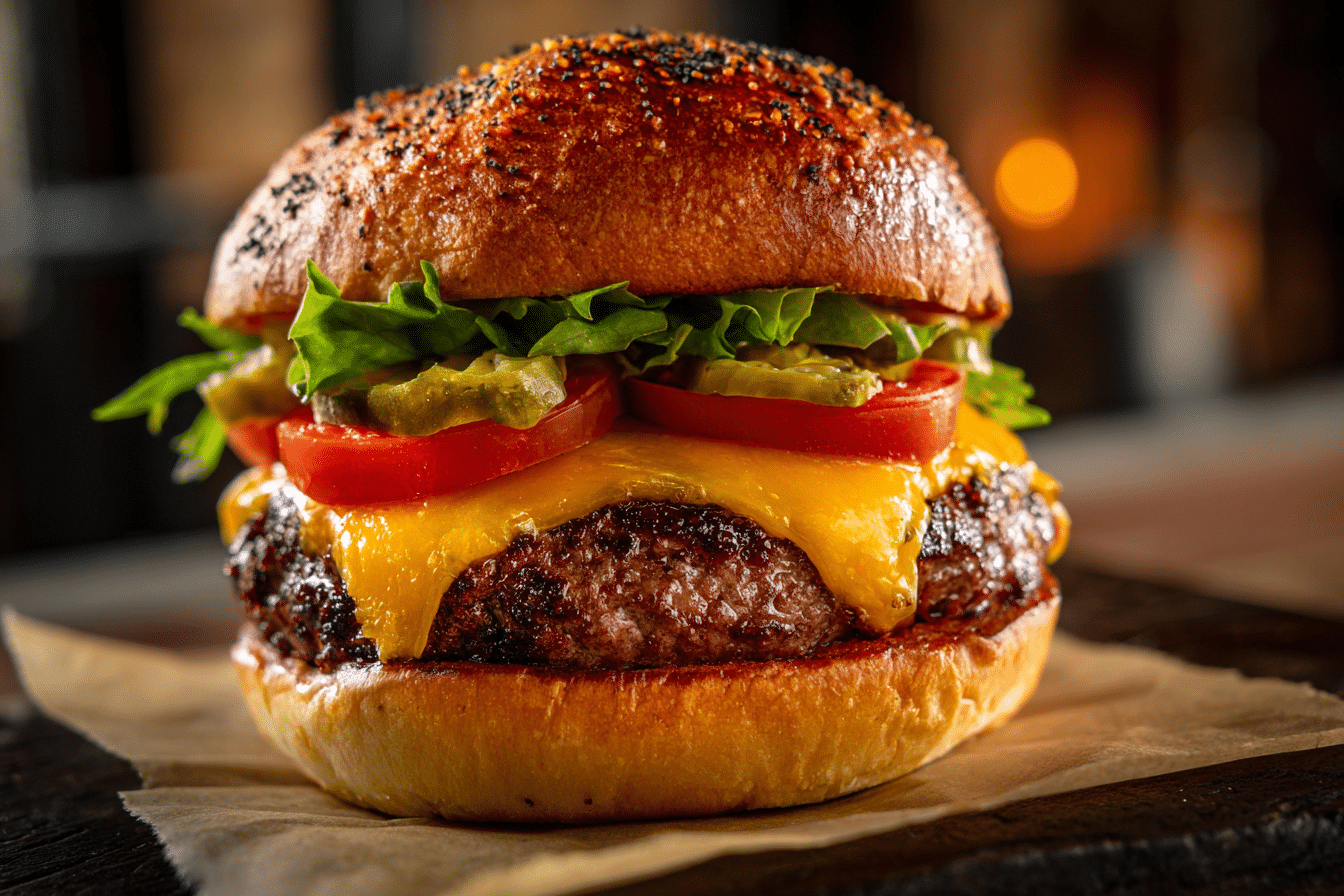
Classic Cheeseburgers bring together sizzling beef, melted cheese, and a toasted bun in a way that feels timeless and satisfying. The aroma of seasoned patties hitting a hot skillet or grill sets the tone for a meal that is hearty, flavorful, and deeply comforting.
From the first bite, you get a balance of savory meat, creamy cheese, crisp vegetables, and soft bread. The juices from the patty mingle with the cheese, creating a rich texture that defines a proper Classic Cheeseburger.
Whether served at a backyard gathering or as a relaxed weeknight dinner, Classic Cheeseburgers remain a staple because they are simple yet deeply satisfying. With the right ingredients and careful cooking, this familiar favorite becomes something truly memorable.
Ingredients Overview
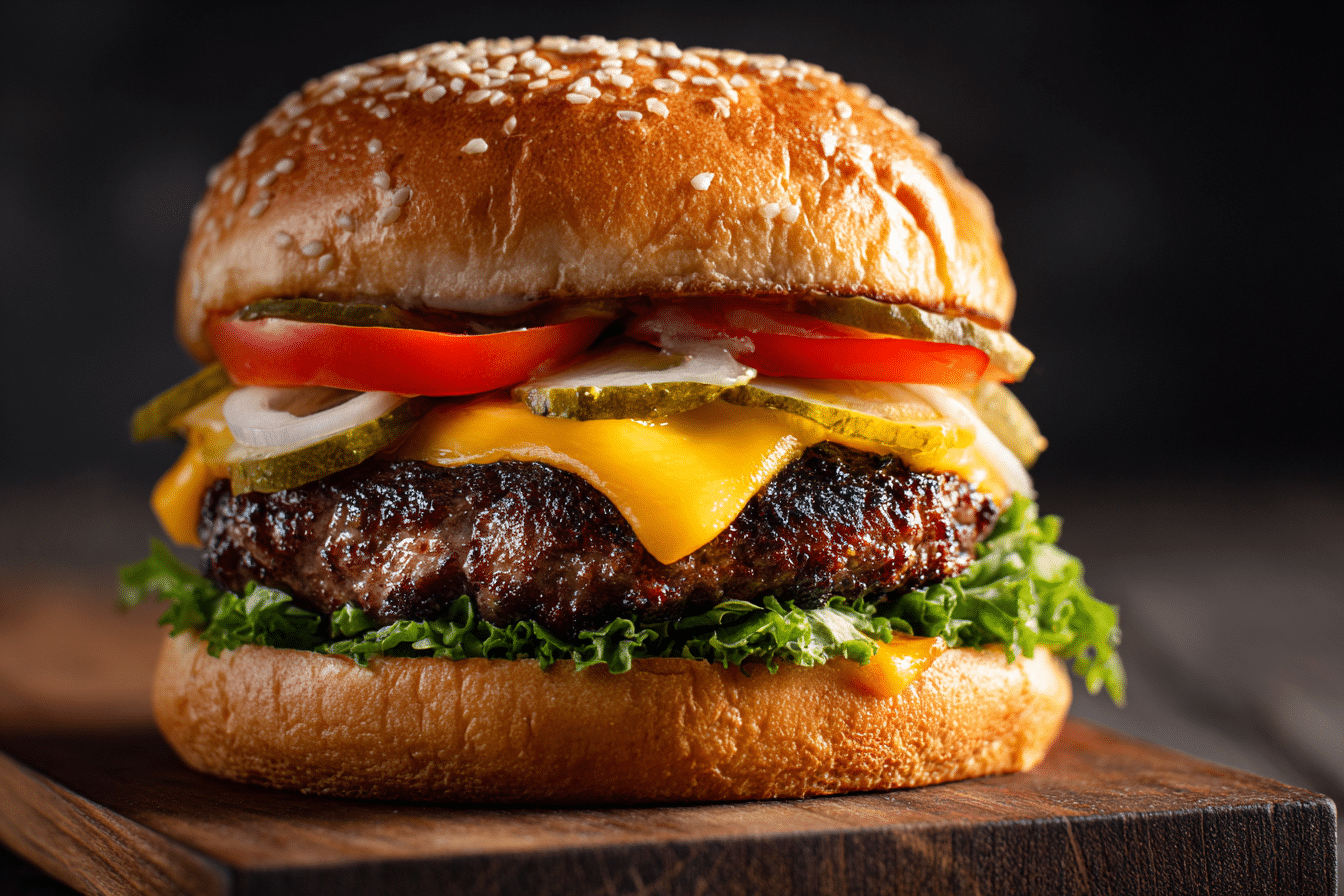
The foundation of Classic Cheeseburgers is ground beef. An 80/20 blend, meaning 80 percent lean meat and 20 percent fat, delivers a juicy patty without becoming greasy. The fat keeps the burger moist as it cooks, while the lean portion provides structure and hearty flavor.
Salt and freshly ground black pepper are the only seasonings required for an authentic result. Sprinkled just before cooking, they draw out the natural richness of the beef rather than masking it. Some cooks add a dash of garlic powder or onion powder, but restraint keeps the flavor clean and balanced.
Cheese is the defining element. American cheese melts smoothly and drapes over the patty in a creamy layer. Cheddar offers a sharper bite and firmer texture. Swiss or pepper jack can be used for a different flavor profile, but the cheese should melt evenly and complement the beef.
Burger buns should be soft yet sturdy. Brioche buns provide a light sweetness and tender crumb, while classic sesame seed buns offer structure. Lightly toasting the cut sides prevents sogginess and adds subtle texture.
Fresh toppings complete the experience. Crisp lettuce, sliced tomatoes, thin onion rings, and crunchy pickles add contrast. Condiments such as ketchup, yellow mustard, and mayonnaise bring tang and creaminess. Each element has a purpose, contributing texture, acidity, or richness to balance the savory patty.
Step-by-Step Instructions
Start by dividing the ground beef into equal portions, about 6 to 7 ounces each for substantial burgers. Gently shape each portion into a patty about three-quarters of an inch thick. Avoid compressing the meat too firmly, as this can create a dense texture. Press a slight indentation into the center of each patty with your thumb; this helps the burger cook evenly and prevents puffing.
Preheat a cast-iron skillet or grill over medium-high heat. The surface should be hot enough that a drop of water sizzles immediately. Just before placing the patties on the heat, season both sides generously with salt and pepper.
Lay the patties onto the hot surface without crowding. Let them cook undisturbed for about 3 to 4 minutes. You should see juices forming on the top surface and a deep brown crust developing underneath. Flip the patties once, using a sturdy spatula.
After flipping, cook for another 3 to 4 minutes for medium doneness. In the final minute of cooking, place a slice of cheese on each patty. Cover the skillet loosely with a lid or tent with foil to help the cheese melt fully.
While the burgers finish cooking, toast the buns. Place them cut-side down on a separate pan or on a cooler section of the grill. Toast for 1 to 2 minutes until lightly golden. This step adds structure and prevents the bun from absorbing too much moisture.
Remove the patties from the heat and allow them to rest for a few minutes. Resting lets the juices redistribute throughout the meat rather than spilling out at the first bite.
Assemble the Classic Cheeseburgers by spreading condiments on the bottom bun, adding lettuce, placing the cheesy patty on top, and layering tomatoes, onions, and pickles as desired. Finish with the top bun and serve immediately.
Common mistakes include pressing down on the patties while cooking, which forces out juices, and flipping multiple times, which prevents proper crust formation. A steady hand and patience make a noticeable difference.
Tips, Variations & Substitutions
For thicker patties, cook over slightly lower heat for a longer time to avoid burning the exterior before the center cooks through. If you prefer thinner burgers with crisp edges, flatten the patties slightly and cook over higher heat for a shorter time.
Ground turkey can replace beef for a lighter option, though it benefits from a tablespoon of olive oil mixed into the meat to maintain moisture. Plant-based burger patties can also be used, following package instructions for cooking times.
Swap cheddar for blue cheese for a bold flavor, or add sautéed mushrooms and caramelized onions for extra depth. A slice of cooked bacon introduces smokiness and crunch.
For a lower-carb approach, wrap the patty and toppings in large lettuce leaves instead of a bun. Gluten-free buns are widely available and toast well with a light brushing of butter.
Small adjustments, such as adding a slice of tomato that is well-drained or patting lettuce dry, keep the burger from becoming watery.
Serving Ideas & Occasions
Classic Cheeseburgers pair beautifully with crisp French fries, sweet potato fries, or a simple side salad. Coleslaw adds crunch and a refreshing contrast to the rich patty.
For beverages, iced tea, lemonade, or a cold sparkling water complement the savory flavors without overwhelming them. Milkshakes provide a nostalgic pairing for casual gatherings.
Serve Classic Cheeseburgers at summer cookouts, family dinners, or game-day spreads. They are also suitable for casual celebrations where guests can customize toppings to suit their preferences.
Setting up a burger bar with assorted cheeses, toppings, and sauces allows everyone to build a burger to their taste while keeping the base recipe consistent.
Nutritional & Health Notes
Classic Cheeseburgers provide a substantial source of protein, iron, and vitamin B12 from the beef. Cheese contributes calcium and additional protein, while fresh vegetables add fiber and vitamins.
Using leaner ground beef reduces overall fat content, though it may slightly alter juiciness. Portion control plays a key role in maintaining balance, especially when pairing with sides.
Opting for whole-grain buns increases fiber content. Including generous amounts of lettuce and tomato adds volume and nutrients without significantly increasing calories.
When enjoyed as part of a varied diet, Classic Cheeseburgers can fit comfortably into balanced eating patterns.
FAQs
What type of beef is ideal for Classic Cheeseburgers?
An 80/20 blend of ground beef is widely considered ideal for Classic Cheeseburgers. The 20 percent fat content keeps the patties moist and flavorful during cooking, while the lean meat provides structure. Leaner blends such as 90/10 can be used, but they tend to produce a slightly drier texture. If using lean beef, avoid overcooking and consider adding a small amount of oil to maintain moisture. Freshly ground beef from a trusted butcher often yields consistent results and rich flavor.
How do I keep my burgers juicy?
To keep Classic Cheeseburgers juicy, handle the meat gently and avoid overworking it when forming patties. Season just before cooking, and resist pressing down on the patties with a spatula. Cooking over properly preheated heat allows a crust to form quickly, sealing in juices. Letting the burgers rest for several minutes after cooking helps redistribute moisture throughout the patty rather than losing it immediately when sliced or bitten into.
Can I cook Classic Cheeseburgers indoors?
Yes, Classic Cheeseburgers cook very well indoors using a cast-iron skillet or heavy stainless-steel pan. Preheat the pan thoroughly to achieve a deep brown crust. Ventilation is helpful, as high heat can produce smoke. Cooking indoors allows for consistent temperature control and is convenient year-round. The method remains the same: cook undisturbed, flip once, add cheese near the end, and allow the patties to rest before assembling.
How do I know when the burger is done?
The safest way to check doneness is with an instant-read thermometer. For medium burgers, aim for an internal temperature of 160°F for ground beef. Visually, the juices should run clear, and the center should no longer appear raw. Cooking times vary depending on thickness and heat level, so temperature offers the most reliable guide. Avoid cutting into the burger while cooking, as this releases valuable juices.
What cheese melts best on Classic Cheeseburgers?
American cheese melts smoothly and evenly, creating a creamy layer that coats the patty. Cheddar also melts well, though it may require slightly more time. To help any cheese melt fully, place it on the patty during the final minute of cooking and cover briefly. The trapped heat softens the cheese without overcooking the meat. Choosing thin slices helps achieve even melting.
Can I prepare patties ahead of time?
Patties can be shaped several hours in advance and stored in the refrigerator, separated by parchment paper. Keep them tightly covered to prevent drying. Season just before cooking rather than ahead of time, as salt can draw moisture out of the meat. Bringing the patties closer to room temperature for about 15 minutes before cooking promotes even cooking and a consistent interior texture.
How should leftovers be stored and reheated?
Store leftover patties in an airtight container in the refrigerator for up to three days. For reheating, place the patty in a skillet over medium-low heat and cover briefly to warm through without drying. A small splash of water in the pan can create steam and keep the meat moist. Assemble with fresh buns and toppings rather than reheating fully assembled burgers to maintain texture.
Guidelines referenced:
Print
Classic Cheeseburgers feature juicy seasoned beef patties topped with melted cheese and layered with crisp vegetables on a toasted bun. This timeless favorite delivers rich flavor and satisfying texture in every bite.
Ingredients
2 pounds ground beef 80/20 blend
1 1/2 teaspoons salt
1 teaspoon freshly ground black pepper
5 slices American or cheddar cheese
5 brioche or sesame seed buns
1 cup shredded lettuce
1 large tomato sliced
1 small red onion thinly sliced
15 pickle slices
1/3 cup ketchup
1/4 cup yellow mustard
1/4 cup mayonnaise
Instructions
-
Divide the ground beef into 5 equal portions and gently shape into patties about 3/4 inch thick. Press a small indentation into the center of each.
-
Preheat a skillet or grill over medium-high heat.
-
Season both sides of each patty with salt and pepper just before cooking.
-
Cook patties for 3 to 4 minutes on the first side without moving them.
-
Flip and cook another 3 to 4 minutes until internal temperature reaches 160°F.
-
Place a slice of cheese on each patty during the final minute and cover briefly to melt.
-
Toast the buns cut-side down until lightly golden.
-
Spread condiments on the bottom bun, add lettuce, place the patty on top, then add tomato, onion, and pickles. Cover with the top bun and serve.