
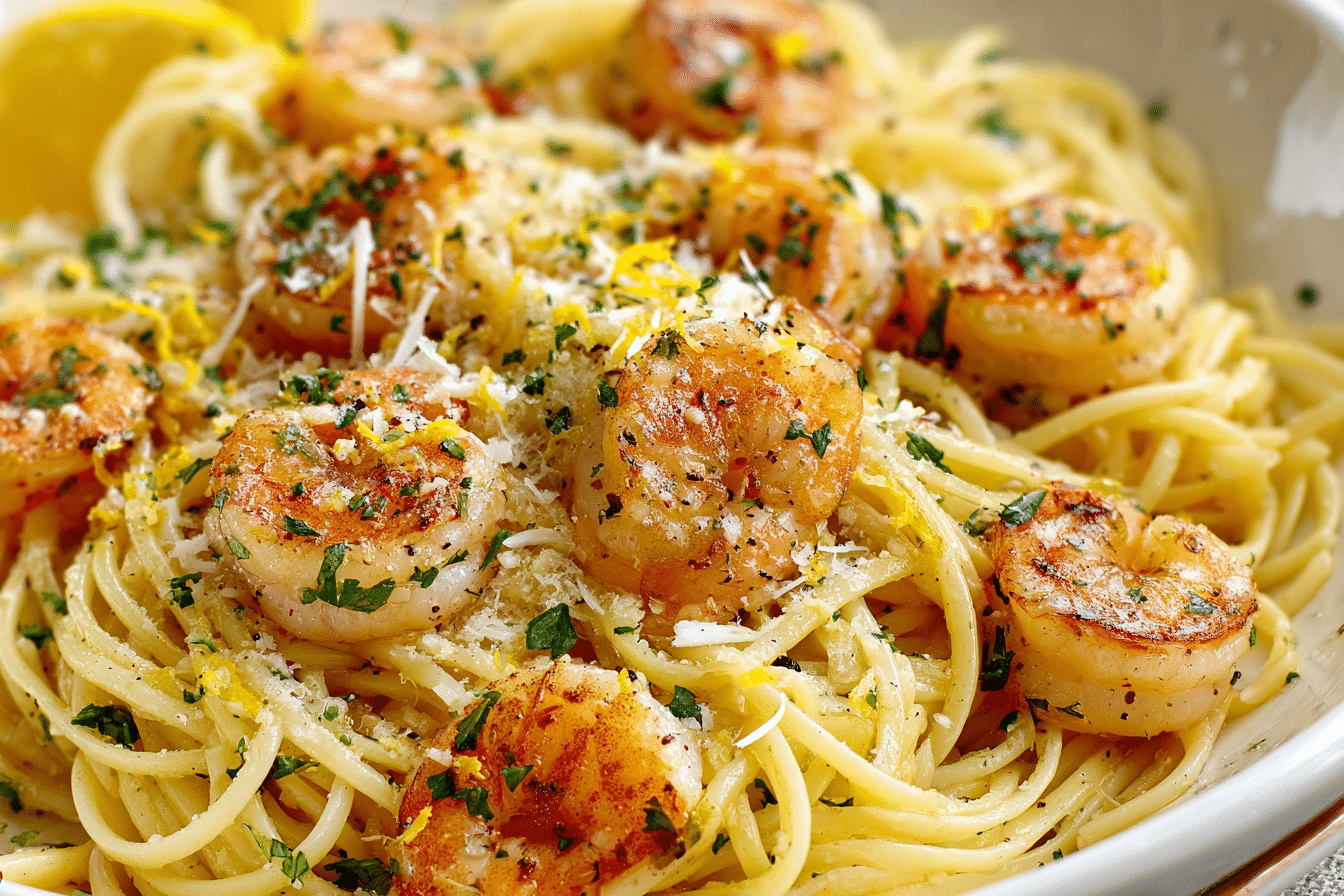
Garlic Butter Shrimp Scampi Pasta brings together tender shrimp, fragrant garlic, and silky butter sauce wrapped around warm pasta. The dish is known for its simple preparation and vibrant flavor, combining seafood richness with bright citrus and herbs.
In this pasta, shrimp cook quickly in a buttery garlic mixture that forms the base of the sauce. A splash of lemon juice adds freshness, while pasta water helps create a light coating that clings to every strand of pasta.
Garlic Butter Shrimp Scampi Pasta feels both comforting and elegant. Despite its restaurant-style reputation, it can be prepared easily at home with a handful of familiar ingredients.
The balance of garlic, butter, shrimp, and lemon creates a flavor combination that is rich yet lively. Each bite delivers tender shrimp, smooth sauce, and pasta infused with savory notes.
Whether served for a weeknight dinner or a special meal with friends, Garlic Butter Shrimp Scampi Pasta offers a satisfying dish that celebrates simple cooking and bold flavor.
Ingredients Overview
Garlic Butter Shrimp Scampi Pasta relies on a small group of ingredients that work together to create its signature flavor.
Pasta forms the base of the dish. Long noodles such as linguine or spaghetti are commonly used because they hold the buttery sauce well. Their smooth strands allow the garlic butter mixture to coat the pasta evenly.
Shrimp are the centerpiece of the recipe. Large shrimp are often preferred because they remain tender and juicy during quick cooking. Fresh shrimp provide excellent flavor, though frozen shrimp work well when properly thawed.
Garlic delivers the distinctive aroma associated with shrimp scampi. When sautéed in butter, garlic releases fragrance and forms the savory foundation of the sauce.
Butter gives the dish its rich texture. It blends with garlic and shrimp juices to create a smooth coating that wraps around the pasta.
Olive oil is sometimes added alongside butter. It helps prevent the butter from browning too quickly and adds a mild fruity note.
Fresh lemon juice provides brightness that balances the richness of the butter. Lemon zest can also be added to deepen the citrus aroma.
White wine is often used in traditional scampi sauces. It adds gentle acidity and depth while helping lift flavorful bits from the pan.
Pasta cooking water helps bind the sauce together. The starch released during boiling allows butter, wine, and lemon juice to form a smooth emulsion.
Parsley adds freshness and color. Finely chopped parsley sprinkled at the end brightens the final dish.
Salt, black pepper, and optional red pepper flakes complete the seasoning and highlight the natural sweetness of the shrimp.
Step-by-Step Instructions
Begin by bringing a large pot of salted water to a boil. Add the pasta and cook according to package instructions until tender but slightly firm in the center. Stir occasionally to keep the noodles from sticking together.
Before draining the pasta, reserve about half a cup of the cooking water. This starchy liquid will help create the sauce later.
While the pasta cooks, prepare the shrimp. If using whole shrimp, peel and devein them while leaving the tails on if desired. Pat the shrimp dry with paper towels so they cook evenly.
Heat a large skillet over medium heat. Add olive oil and one tablespoon of butter. Once the butter melts, add the shrimp in a single layer.
Cook the shrimp for about one to two minutes per side until they turn pink and opaque. Remove the shrimp from the skillet and set them aside to prevent overcooking.
In the same skillet, add the remaining butter along with minced garlic. Cook gently for about thirty seconds until fragrant.
Pour in the white wine and allow it to simmer for a few minutes. The liquid should reduce slightly while picking up flavor from the pan.
Stir in lemon juice and a few tablespoons of the reserved pasta water. The mixture will begin forming a light sauce.
Add the drained pasta directly into the skillet. Toss the noodles in the sauce so they become evenly coated.
Return the cooked shrimp to the skillet and toss gently with the pasta. Sprinkle chopped parsley and optional red pepper flakes over the dish.
Serve immediately with freshly grated parmesan cheese and an extra squeeze of lemon if desired.
Tips, Variations & Substitutions
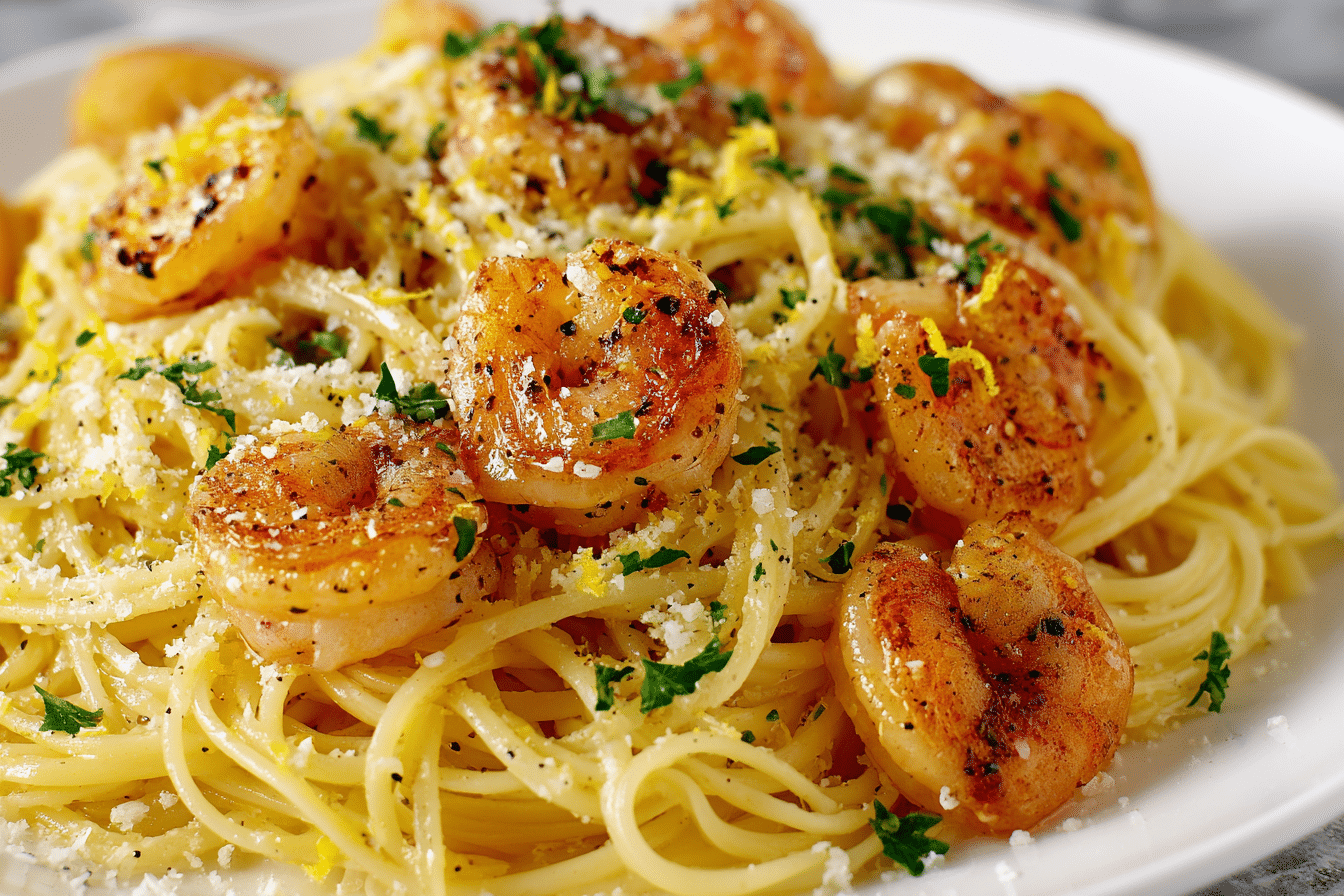
Garlic Butter Shrimp Scampi Pasta can be adjusted in several ways while keeping its classic flavor.
Fresh shrimp usually produce the best texture, but frozen shrimp can be used when thawed properly. Patting the shrimp dry before cooking helps them sear rather than steam.
If white wine is unavailable, chicken broth can replace it while still providing a light savory base for the sauce.
Adding vegetables can bring color and variety to the dish. Spinach, cherry tomatoes, asparagus, or zucchini blend nicely with the garlic butter sauce.
For additional richness, a spoonful of cream can be stirred into the sauce before adding the pasta.
Whole wheat pasta offers additional fiber and a mild nutty taste. Gluten-free pasta can also work when cooked carefully and combined with enough pasta water.
Red pepper flakes introduce gentle warmth that complements the garlic and shrimp without overpowering the dish.
Fresh herbs such as basil or chives can join the parsley for extra fragrance.
Maintaining careful shrimp cooking time is important. Overcooked shrimp become firm, so removing them from the pan briefly helps preserve their tender texture.
Serving Ideas & Occasions
Garlic Butter Shrimp Scampi Pasta works well for both casual dinners and more special meals.
For a complete dinner, serve the pasta with a crisp green salad dressed in lemon vinaigrette. The freshness of the salad balances the rich butter sauce.
Garlic bread or toasted baguette slices pair nicely with the pasta and help soak up any remaining sauce on the plate.
During gatherings or family meals, the pasta can be served in a large bowl with extra parsley and lemon wedges. This presentation allows guests to adjust brightness and seasoning to their taste.
The dish also works well as a centerpiece for a seafood-themed dinner alongside roasted vegetables or grilled fish.
Because the shrimp cook quickly, the meal can come together in a relatively short time, making it suitable for weeknight cooking while still feeling special.
Nutritional & Health Notes
Garlic Butter Shrimp Scampi Pasta offers a combination of protein, carbohydrates, and fats.
Shrimp provide lean protein along with important nutrients such as selenium, iodine, and vitamin B12. Their naturally mild flavor pairs well with garlic and lemon.
Pasta supplies carbohydrates that provide energy and help make the dish filling.
Butter and olive oil contribute fats that give the sauce its smooth texture. Olive oil also contains heart-friendly fats that complement the dish.
Fresh garlic and parsley provide small amounts of antioxidants and plant compounds while adding flavor and aroma.
Portion balance can help keep the dish satisfying without becoming overly heavy. Pairing the pasta with vegetables or a fresh salad creates a more balanced meal.
FAQs
What pasta works best for Garlic Butter Shrimp Scampi Pasta?
Long pasta shapes such as linguine, spaghetti, or fettuccine work especially well for shrimp scampi. Their smooth strands allow the garlic butter sauce to coat the noodles evenly. These shapes also capture small bits of garlic and parsley throughout the dish. Short pasta shapes like penne can still work, though long noodles often create the traditional presentation.
How do I keep shrimp tender while cooking?
Shrimp cook very quickly, usually in one to two minutes per side. Once they turn pink and opaque, they should be removed from the pan to prevent overcooking. Returning them to the skillet briefly at the end helps warm them without making them firm. Cooking shrimp in a single layer also helps them cook evenly.
Can the dish be made without wine?
Yes, white wine can be replaced with chicken broth or seafood broth. These liquids still provide flavor and help lift the garlic and butter mixture into a light sauce. Adding a small splash of extra lemon juice can also help maintain the bright flavor typically provided by wine.
Can frozen shrimp be used?
Frozen shrimp work very well in this recipe when thawed properly. Place the shrimp in cold water for about fifteen minutes to thaw quickly. After thawing, pat them dry before cooking. Removing excess moisture allows the shrimp to sauté properly and develop better flavor.
What vegetables can be added to shrimp scampi pasta?
Several vegetables blend nicely with garlic butter shrimp scampi. Spinach, cherry tomatoes, asparagus, zucchini, and mushrooms all pair well with the sauce. These ingredients can be sautéed briefly before the shrimp or stirred into the pasta at the end of cooking.
Can this recipe be made gluten free?
Yes, the recipe can easily become gluten free by using gluten-free pasta made from rice, corn, or lentils. Cook the pasta according to package instructions and mix it with the shrimp scampi sauce just as you would with traditional pasta.
Why reserve pasta cooking water?
Pasta cooking water contains starch released from the noodles during boiling. When added to the skillet, this starchy liquid helps combine butter, wine, and lemon juice into a smooth sauce that coats the pasta evenly. Adding it gradually allows the sauce to become silky rather than oily.
PrintGarlic Butter Shrimp Scampi Pasta: 5 Amazing Savory Twirls
Garlic Butter Shrimp Scampi Pasta features tender shrimp sautéed in garlic and butter with lemon and herbs tossed with warm pasta.
Ingredients
12 ounces linguine or spaghetti
1 pound large shrimp peeled and deveined
3 tablespoons butter
1 tablespoon olive oil
4 garlic cloves minced
1/2 cup dry white wine
2 tablespoons lemon juice
1/4 cup reserved pasta cooking water
1/4 cup chopped parsley
1/4 teaspoon red pepper flakes optional
Salt to taste
Black pepper to taste
1/4 cup grated parmesan cheese
Instructions
-
Cook pasta in salted boiling water until tender but slightly firm.
-
Reserve 1/2 cup pasta water before draining.
-
Heat olive oil and 1 tablespoon butter in a skillet.
-
Cook shrimp about 1 to 2 minutes per side until pink, then remove.
-
Add remaining butter and garlic to the skillet and cook briefly.
-
Pour in white wine and simmer for a few minutes.
-
Stir in lemon juice and pasta water.
-
Add cooked pasta and toss to coat.
-
Return shrimp to the skillet and mix gently.
-
Sprinkle parsley and parmesan before serving.
Notes
Avoid overcooking shrimp to maintain a tender texture.