
Healthy Sautéed Vegetables – Quick, Flavorful & Nutritious Side is the kind of dish that fits into any meal with ease. A hot skillet, a splash of olive oil, and a mix of fresh vegetables come together in minutes to create a colorful plate packed with texture and depth. The vegetables stay crisp-tender, lightly caramelized on the outside, and naturally sweet within.
This recipe highlights the natural character of each vegetable rather than masking it. Light browning adds depth, while garlic and herbs bring warmth without overpowering the dish. Whether served beside grilled chicken, baked fish, or a hearty grain bowl, healthy sautéed vegetables provide balance and brightness.
Because the cooking time is short, the vegetables retain their shape and nutrients. The result is a vibrant, wholesome side dish that tastes fresh and satisfying without feeling heavy.
Ingredients Overview
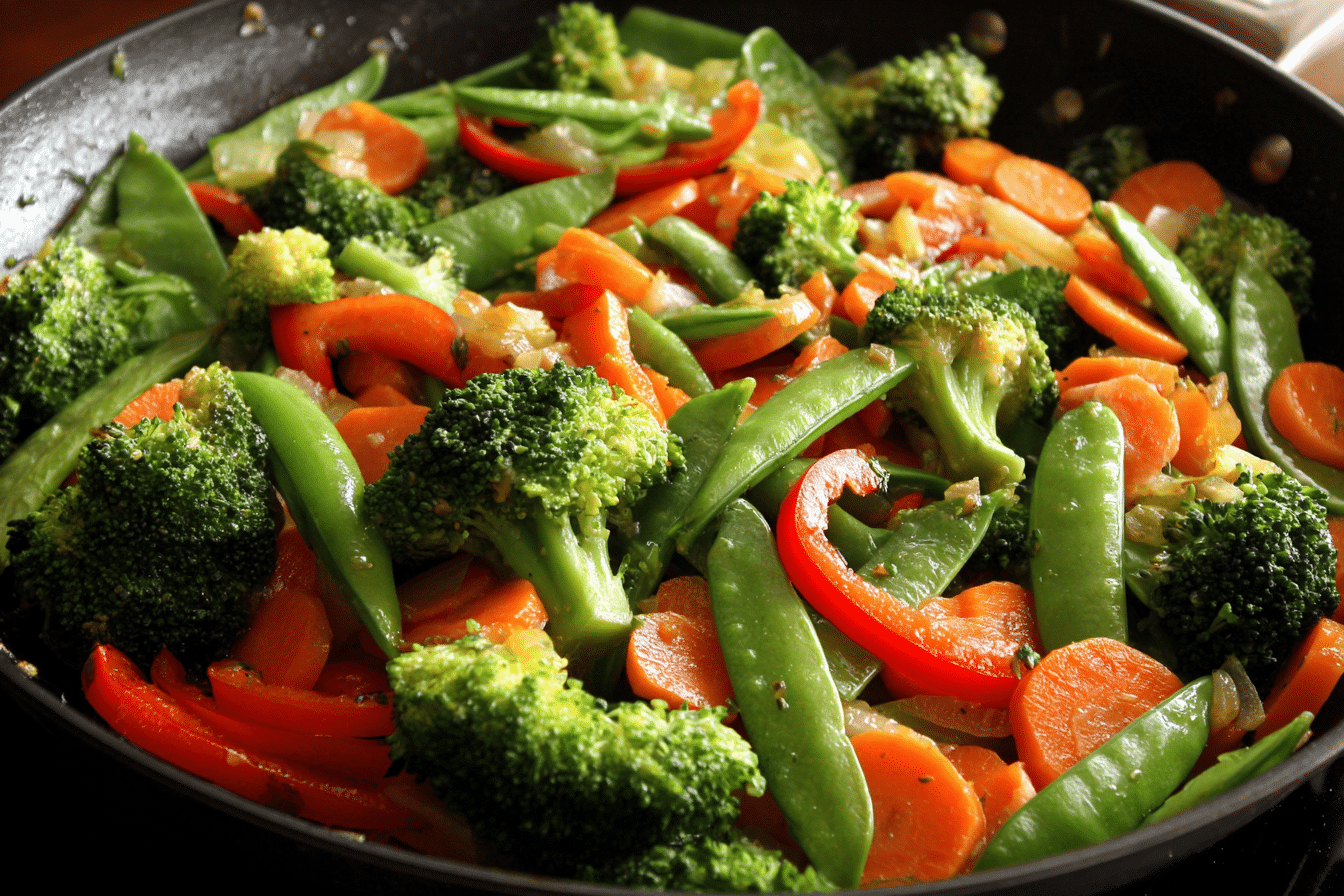
Healthy sautéed vegetables rely on a thoughtful combination of fresh produce and simple pantry staples. Each ingredient has a purpose, contributing flavor, color, or texture.
Olive oil forms the base of the sauté. It conducts heat evenly and adds a subtle fruity note. A neutral oil such as avocado oil can be substituted if preferred, especially for higher heat tolerance.
Garlic adds depth and a gentle savory aroma. Freshly minced garlic works best, but thinly sliced shallots can offer a milder alternative.
Bell peppers bring sweetness and bright color. Red, yellow, or orange varieties soften beautifully in the pan. Green peppers provide a slightly sharper taste if you prefer contrast.
Zucchini cooks quickly and absorbs surrounding flavors. It becomes tender while maintaining structure. Yellow squash can be swapped in seamlessly.
Broccoli florets introduce crunch and a slightly nutty profile once lightly browned. Cauliflower works equally well and offers a similar texture.
Carrots add natural sweetness and firmness. Thin slices cook evenly and retain a pleasant bite.
Red onion provides mild sharpness that mellows during cooking. White or yellow onions are suitable alternatives.
Salt and freshly ground black pepper sharpen the flavors. A squeeze of fresh lemon juice at the end brightens the vegetables and balances the oil.
Optional additions include cherry tomatoes for juiciness, mushrooms for earthiness, or a pinch of dried Italian herbs for added aroma.
Step-by-Step Instructions
Begin by washing and drying all vegetables thoroughly. Excess moisture can cause steaming rather than sautéing, which prevents browning.
Slice bell peppers into thin strips. Cut zucchini into half-moons about 1/4 inch thick. Break broccoli into bite-sized florets. Thinly slice carrots on a diagonal for quicker cooking. Slice the red onion into even strips.
Heat a large skillet over medium heat for about one minute before adding oil. Preheating helps prevent sticking and encourages caramelization.
Add two tablespoons of olive oil and allow it to warm until it shimmers but does not smoke. Add the carrots and broccoli first, as they require slightly longer cooking. Sauté for about 3–4 minutes, stirring occasionally.
Next, add the onions and bell peppers. Continue cooking for another 3 minutes. Stir gently to keep the vegetables moving without breaking them.
Add the zucchini and minced garlic last, since they cook quickly. Stir and cook for 2–3 minutes more. The garlic should become fragrant but not browned.
Season with salt and black pepper midway through cooking rather than at the beginning. This draws out moisture gradually and prevents sogginess.
Watch for visual cues. The vegetables should appear glossy with slight browning at the edges while remaining vibrant in color. Avoid overcooking; they should remain crisp-tender rather than soft.
Turn off the heat and squeeze fresh lemon juice over the vegetables. Toss gently to coat. Taste and adjust seasoning if necessary.
Serve immediately for the best texture. If held too long, residual heat may soften the vegetables further.
Tips, Variations & Substitutions
Cut vegetables into uniform sizes so they cook evenly. Larger pieces take longer, while smaller ones may soften too quickly.
For added depth, sprinkle a small amount of smoked paprika or crushed red pepper flakes during the final minute of cooking.
To add protein, toss in cooked chickpeas or white beans during the last few minutes. They warm quickly and blend naturally with the vegetables.
For a dairy touch, finish with grated Parmesan or crumbled feta. These additions add savory richness without overwhelming the dish.
If following a low-sodium approach, reduce salt and rely more heavily on herbs, lemon juice, and garlic for flavor.
Seasonal swaps work beautifully. Asparagus, snap peas, green beans, or Brussels sprouts can replace or supplement the listed vegetables. Adjust cooking times depending on density.
Using a cast-iron skillet helps achieve deeper browning. However, a stainless steel pan works well if properly preheated.
Serving Ideas & Occasions
Healthy sautéed vegetables complement a wide variety of main dishes. Serve alongside roasted chicken, grilled salmon, or baked tofu for a balanced dinner.
They also pair well with simple grains such as quinoa, brown rice, or farro. Spoon the vegetables over the grains and drizzle with a light vinaigrette for a satisfying bowl.
For brunch, serve them next to scrambled eggs or folded into an omelet.
These vegetables are suitable for weeknight meals, meal prep lunches, or holiday spreads where a lighter side dish balances richer offerings.
Serve warm for optimal texture, though they can also be enjoyed at room temperature in salads or wraps.
Nutritional & Health Notes
Healthy sautéed vegetables provide fiber, vitamins, and antioxidants from a variety of plant sources. Broccoli and bell peppers contribute vitamin C, while carrots supply beta-carotene.
Olive oil adds heart-friendly monounsaturated fats, helping the body absorb fat-soluble nutrients from the vegetables.
Cooking quickly over moderate heat helps retain nutrients while improving digestibility. The combination of different vegetables broadens the nutritional profile without adding excess calories.
Because the recipe relies on minimal oil and simple seasoning, it fits comfortably into balanced eating patterns. It is naturally vegetarian, gluten-free, and adaptable to vegan preferences.
Portion control remains straightforward, and the dish can be scaled up without altering its nutritional balance significantly.
FAQs
-
Can I prepare healthy sautéed vegetables ahead of time?
Yes, you can chop the vegetables up to a day in advance and store them in airtight containers in the refrigerator. For the freshest texture, cook them just before serving. If you need to cook ahead, slightly undercook them so they remain firm when reheated briefly in a skillet.
-
Why did my vegetables turn soggy?
Sogginess often results from overcrowding the pan or cooking at too low a temperature. Use a large skillet and cook in batches if necessary. Proper preheating and moderate heat encourage browning rather than steaming.
-
What is the ideal heat level for sautéing vegetables?
Medium to medium-high heat works best. The oil should shimmer but not smoke. Excessive heat can burn garlic and create bitterness, while low heat prevents caramelization.
-
Can I freeze sautéed vegetables?
Freezing is possible, but the texture will soften after thawing. They are best enjoyed fresh. If freezing, cool completely and store in airtight containers for up to two months.
-
How can I add more flavor without extra salt?
Fresh herbs such as parsley, thyme, or basil add fragrance. Lemon zest, balsamic vinegar, or a dash of soy sauce can also deepen flavor without relying heavily on salt.
-
Are healthy sautéed vegetables suitable for meal prep?
Yes. Store cooled vegetables in sealed containers for up to four days. Reheat briefly in a skillet to restore some texture rather than microwaving for extended periods.
-
Can I use frozen vegetables?
Frozen vegetables can work in a pinch. Thaw and pat them dry before cooking to reduce excess moisture. Keep in mind that they may not brown as deeply as fresh produce.
Print
Healthy Sautéed Vegetables – Quick, Flavorful & Nutritious Side is a colorful mix of crisp-tender vegetables lightly cooked in olive oil with garlic and lemon for a fresh, balanced side dish.
Ingredients
2 tablespoons olive oil
2 cloves garlic, minced
1 red bell pepper, sliced
1 yellow bell pepper, sliced
1 medium zucchini, sliced into half-moons
1 cup broccoli florets
1 medium carrot, thinly sliced
1/2 red onion, sliced
1/2 teaspoon salt
1/4 teaspoon black pepper
1 tablespoon fresh lemon juice
Instructions
-
Wash and dry all vegetables thoroughly.
-
Slice peppers, zucchini, carrot, and onion evenly and cut broccoli into small florets.
-
Heat a large skillet over medium heat and add olive oil.
-
Add carrots and broccoli and cook for 3 to 4 minutes.
-
Add onion and bell peppers and cook for another 3 minutes.
-
Stir in zucchini and garlic and cook for 2 to 3 minutes until crisp-tender.
-
Season with salt and black pepper.
-
Remove from heat and drizzle with lemon juice before serving.