
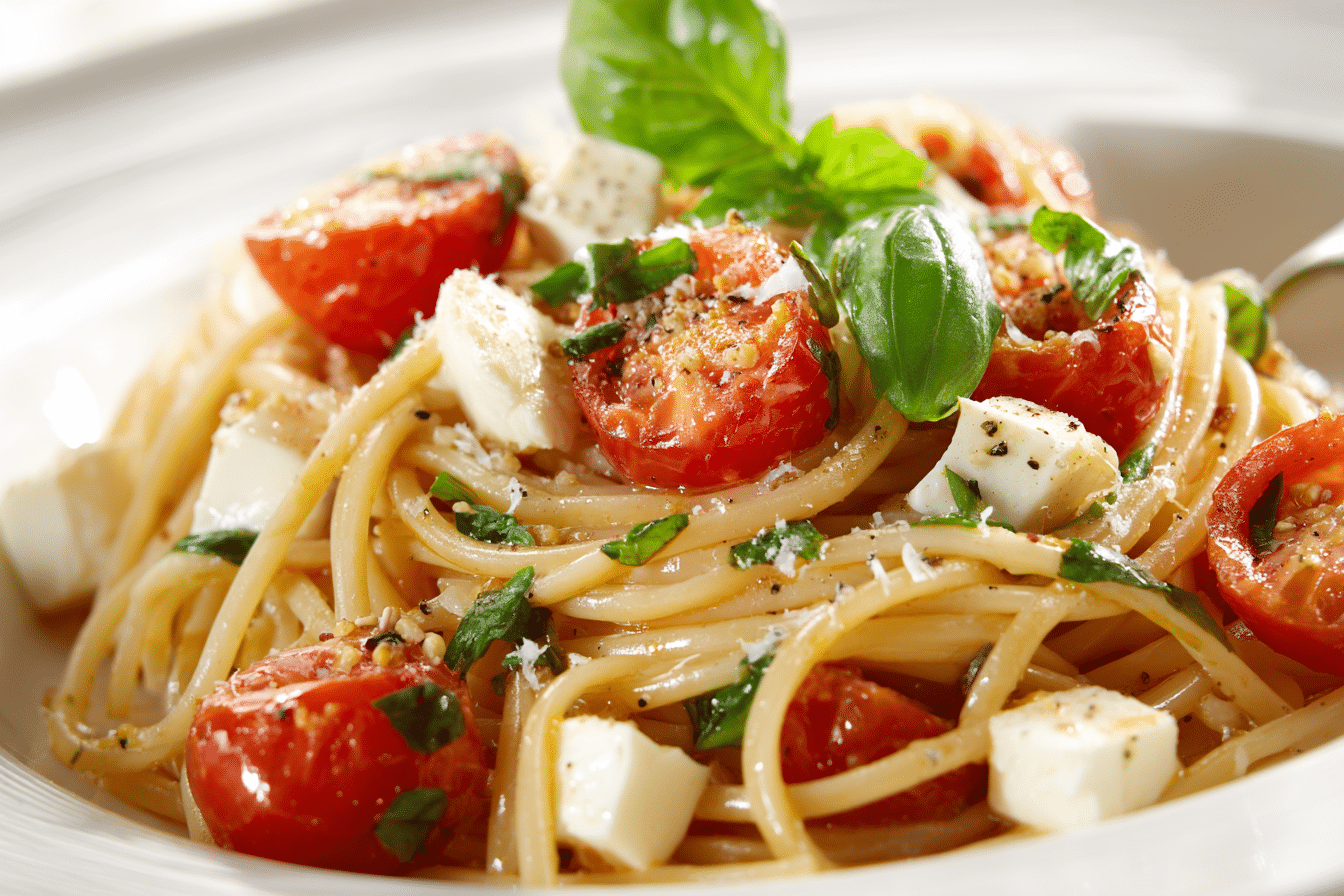
Linguine Positano is a vibrant pasta dish inspired by the coastal flavors of southern Italy. Named after the picturesque town of Positano along the Amalfi Coast, the dish highlights simple Mediterranean ingredients such as ripe tomatoes, olive oil, garlic, basil, and cheese.
The beauty of Linguine Positano lies in its freshness. Instead of heavy sauces, the pasta is coated with a light mixture of tomatoes and olive oil that allows each ingredient to shine. The result is a dish that feels bright, aromatic, and satisfying.
Fresh herbs and citrus often play an important role in the recipe, reflecting the sunny coastal environment where lemons and herbs grow abundantly. When tossed with warm linguine, the ingredients form a naturally flavorful sauce.
Linguine Positano is also valued for its simplicity. With only a few steps and readily available ingredients, the dish can be prepared quickly while still delivering rich Mediterranean flavor.
Whether enjoyed as a weeknight dinner or part of a relaxed meal with friends, Linguine Positano offers a refreshing and comforting pasta that captures the spirit of coastal Italian cooking.
Ingredients Overview
Linguine Positano uses fresh ingredients that combine to create a light yet flavorful pasta.
Linguine pasta serves as the base of the dish. Its flat, narrow shape holds the light tomato mixture well and creates balanced bites with every forkful. The slightly wider surface compared with spaghetti allows the sauce to cling nicely to the pasta.
Fresh tomatoes form the heart of the sauce. Cherry or grape tomatoes are often used because they cook quickly and release natural juices that blend with olive oil to form a light coating.
Garlic adds aromatic depth. When gently sautéed in olive oil, garlic releases a savory fragrance that forms the flavor base of the dish.
Olive oil provides richness and smooth texture. A good-quality olive oil helps carry the flavors of tomatoes, herbs, and garlic across the pasta.
Fresh basil contributes the classic herbal fragrance associated with Mediterranean pasta dishes. Torn basil leaves release oils that complement both tomatoes and olive oil.
Lemon zest or juice can add brightness. The citrus note reflects the Amalfi Coast influence and balances the richness of olive oil and cheese.
Parmesan cheese or pecorino romano provides savory depth and mild saltiness. Finely grated cheese melts lightly into the warm pasta and enhances the overall flavor.
Red pepper flakes are optional but can introduce gentle warmth that contrasts nicely with the sweetness of the tomatoes.
Salt and freshly ground black pepper complete the seasoning and help highlight the natural flavors of the ingredients.
Step-by-Step Instructions
Begin by bringing a large pot of salted water to a boil. Add the linguine and cook according to package directions until tender but slightly firm in the center. Stir occasionally so the pasta cooks evenly.
Before draining the pasta, reserve about half a cup of the cooking water. This starchy liquid will help create a light sauce later.
While the pasta cooks, prepare the tomato mixture. Heat olive oil in a large skillet over medium heat.
Add minced garlic to the skillet and cook gently for about thirty seconds until fragrant. Stir frequently so the garlic does not brown too quickly.
Add halved cherry tomatoes to the skillet. Cook for several minutes until the tomatoes begin to soften and release their juices. Stir occasionally so they cook evenly.
Season the tomatoes with salt, black pepper, and optional red pepper flakes. Allow the mixture to simmer briefly so the juices combine with the olive oil.
Add lemon zest or a small splash of lemon juice to the skillet. This step introduces brightness and balances the savory flavors.
Drain the linguine and add it directly to the skillet with the tomatoes. Toss the pasta gently so it becomes coated with the tomato mixture.
Add a few tablespoons of the reserved pasta cooking water and continue tossing. The starch in the water helps create a glossy sauce that clings to the pasta.
Sprinkle grated parmesan or pecorino over the pasta and mix again until the cheese melts slightly.
Finish the dish with freshly torn basil leaves and an additional drizzle of olive oil before serving.
Tips, Variations & Substitutions
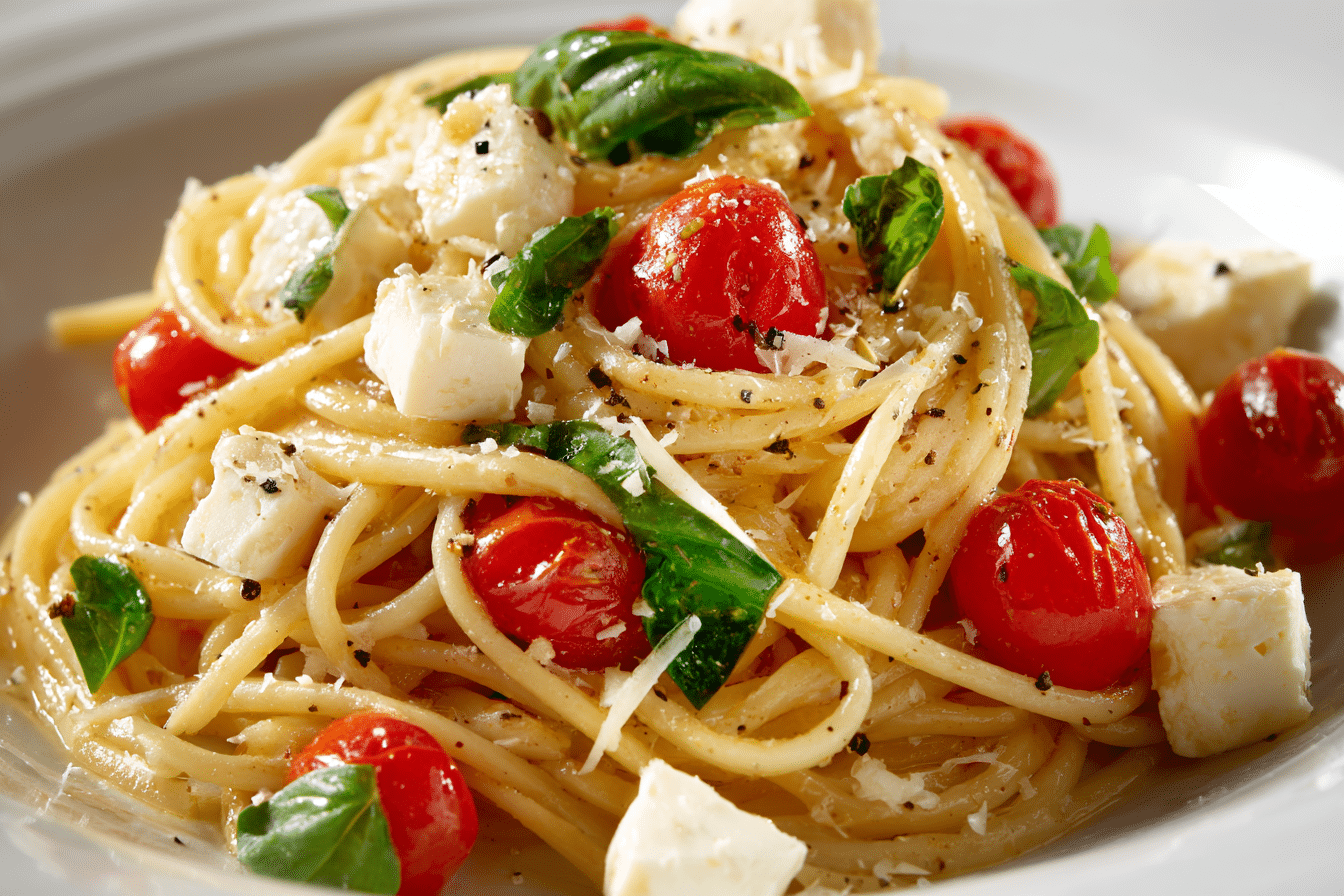
Linguine Positano can easily adapt to different ingredients while maintaining its fresh Mediterranean style.
Using very ripe tomatoes improves the flavor significantly. If fresh tomatoes are not available, high-quality canned cherry tomatoes can also work.
Adding seafood such as shrimp or clams can turn the pasta into a coastal seafood dish. These ingredients pair beautifully with garlic, olive oil, and lemon.
Vegetables such as zucchini, spinach, or roasted eggplant can add variety and extra texture.
For additional richness, small cubes of fresh mozzarella can be stirred into the pasta just before serving. The warm pasta softens the cheese slightly.
Whole wheat linguine offers additional fiber and a mild nutty flavor. Gluten-free pasta can also work when cooked carefully according to package instructions.
Fresh herbs can vary depending on availability. Parsley or oregano can complement basil and add depth.
Keeping the sauce light and avoiding overcooking the tomatoes helps preserve the fresh character of the dish.
Serving Ideas & Occasions
Linguine Positano works well in many dining settings because of its bright and balanced flavor.
For a simple dinner, serve the pasta with a crisp green salad dressed in lemon vinaigrette. The fresh greens complement the tomato and basil flavors.
The dish also pairs nicely with grilled seafood or chicken. The smoky flavors from the grill contrast with the fresh tomato sauce.
During warm seasons, Linguine Positano makes an excellent meal for outdoor dining or relaxed gatherings.
It can also be served family-style in a large bowl topped with extra basil and grated cheese, creating an inviting centerpiece for the table.
Because the recipe requires minimal cooking time, it also works well for quick weeknight meals.
Nutritional & Health Notes
Linguine Positano offers a balanced dish that includes carbohydrates, healthy fats, and vegetables.
Tomatoes provide vitamin C, potassium, and plant compounds that support overall health. Their natural acidity and sweetness create flavor without heavy sauces.
Olive oil contributes heart-friendly fats and helps distribute the flavors of garlic and herbs throughout the dish.
Fresh basil adds fragrance while supplying small amounts of vitamins and plant compounds.
Parmesan or pecorino cheese adds protein and calcium while enhancing savory flavor with a relatively small portion.
Pasta provides carbohydrates that deliver energy and help make the dish satisfying. Whole wheat pasta can increase fiber and support digestion.
When served alongside vegetables or lean proteins, Linguine Positano fits comfortably into a balanced meal.
FAQs
What makes Linguine Positano different from other tomato pasta dishes?
Linguine Positano focuses on fresh ingredients and a light tomato mixture rather than a long-simmered sauce. The tomatoes are usually cooked briefly or sometimes even used nearly raw, allowing their natural sweetness and acidity to stand out. Olive oil, garlic, basil, and lemon provide additional flavor without overwhelming the dish.
Can other pasta shapes be used instead of linguine?
Yes, other pasta shapes can work in this recipe. Spaghetti and fettuccine are good alternatives because they hold the light sauce well. Short shapes such as penne or fusilli can also be used, though the traditional presentation often uses linguine.
Can Linguine Positano be made gluten free?
Yes, the recipe can easily be adapted by using gluten-free pasta made from rice, corn, or lentils. Cook the pasta according to package instructions and mix it with the tomato mixture just as you would with traditional pasta.
What proteins can be added to this dish?
Several proteins pair nicely with Linguine Positano. Shrimp, grilled chicken, or sautéed scallops complement the fresh tomato and basil flavors. For plant-based options, chickpeas or white beans can also be added to create a more filling meal.
How should leftovers be stored?
Leftover Linguine Positano should be placed in an airtight container and stored in the refrigerator for up to two days. When reheating, add a small splash of water or olive oil while warming the pasta gently to restore moisture.
Can canned tomatoes be used?
Yes, canned cherry tomatoes or diced tomatoes can be used if fresh tomatoes are not available. Choose high-quality canned tomatoes for the best flavor. Allow them to cook briefly with garlic and olive oil so the sauce develops proper balance.
Is lemon necessary in Linguine Positano?
Lemon is optional but commonly used to bring brightness to the dish. The citrus flavor balances the richness of olive oil and cheese while reflecting the coastal flavors associated with the Amalfi region.ط
PrintLinguine Positano: 5 Bright Coastal Comfort Twirls

Linguine Positano combines tender linguine with fresh tomatoes, garlic, olive oil, basil, lemon, and parmesan for a light Mediterranean-inspired pasta.
Ingredients
12 ounces linguine pasta
2 cups cherry tomatoes halved
3 tablespoons olive oil
3 garlic cloves minced
1 teaspoon lemon zest
2 tablespoons lemon juice
1/2 cup grated parmesan or pecorino cheese
1/4 cup fresh basil leaves torn
1/4 teaspoon red pepper flakes optional
Salt to taste
Black pepper to taste
1/2 cup reserved pasta cooking water
Instructions
-
Cook linguine in salted boiling water until tender but slightly firm.
-
Reserve 1/2 cup pasta cooking water before draining.
-
Heat olive oil in a skillet and cook garlic briefly.
-
Add cherry tomatoes and cook until they soften.
-
Season with salt, pepper, and red pepper flakes.
-
Stir in lemon zest and lemon juice.
-
Add cooked pasta and toss with the tomato mixture.
-
Pour in a splash of pasta water and mix well.
-
Sprinkle grated cheese and toss again.
-
Finish with fresh basil and serve warm.
Notes
Using ripe tomatoes and good olive oil helps maintain the bright Mediterranean flavor of the dish.