
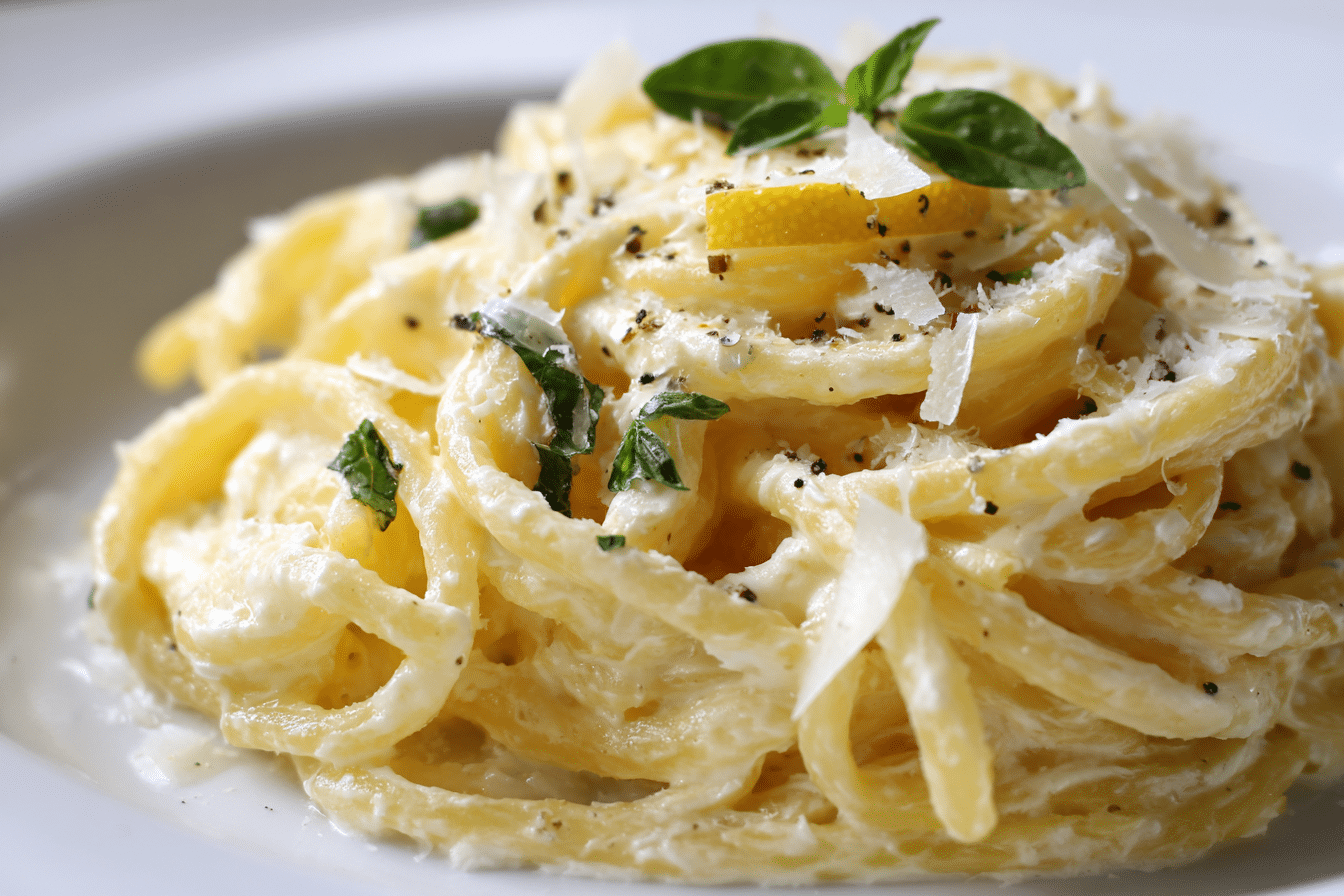
Stanley Tucci’s Irresistibly Creamy Lemon Ricotta Pasta highlights how a short ingredient list can produce remarkable flavor. The dish centers on silky ricotta cheese blended with fresh lemon, pasta water, and aromatic cheese. The result is a light yet creamy sauce that coats every strand of pasta with bright citrus richness.
The appeal of Stanley Tucci’s Irresistibly Creamy Lemon Ricotta Pasta comes from balance. Ricotta supplies soft creaminess, lemon introduces gentle brightness, and pasta water ties the sauce together into a smooth coating rather than a heavy cream mixture. Each bite feels rich while still fresh and lively.
Italian home cooking often focuses on simplicity and careful ingredient pairing. This pasta reflects that philosophy beautifully. Instead of complicated techniques, the dish relies on proper mixing and well-chosen ingredients.
Another reason this pasta remains widely admired is its flexibility. It works for a quiet dinner, a relaxed weekend meal, or a quick weeknight plate. With only a few components and minimal cooking steps, the dish feels approachable even for beginners.
Stanley Tucci’s Irresistibly Creamy Lemon Ricotta Pasta celebrates the charm of simple pasta dishes that emphasize freshness, texture, and thoughtful seasoning.
Ingredients Overview
Stanley Tucci’s Irresistibly Creamy Lemon Ricotta Pasta relies on a handful of ingredients that each contribute a specific role in the final dish.
Pasta forms the structure of the recipe. Long shapes such as spaghetti, linguine, or fettuccine work particularly well because the creamy ricotta mixture clings to their surface. Short pasta shapes can still function, though long noodles often produce a smoother sauce distribution.
Ricotta cheese creates the creamy base. Whole-milk ricotta delivers the smoothest texture and mild sweetness. Its gentle flavor allows the lemon and cheese to stand out without overpowering the dish. Fresh ricotta with a soft texture tends to blend more easily with pasta water.
Fresh lemon provides brightness that defines the character of the sauce. Both lemon zest and juice play important roles. Zest contains fragrant citrus oils that deepen flavor, while lemon juice adds acidity that balances the richness of the cheese.
Parmesan cheese adds a savory element and slight saltiness. Finely grated parmesan melts easily into the ricotta mixture and contributes depth to the overall flavor. Pecorino Romano can also be used for a slightly sharper taste.
Pasta cooking water acts as a natural sauce binder. The starch released from the pasta during cooking helps the ricotta mixture transform into a smooth sauce that coats the noodles evenly.
Olive oil contributes richness and a gentle fruity note. A small drizzle helps the sauce blend smoothly with the pasta.
Black pepper brings warmth and subtle spice. Freshly ground pepper complements the lemon and cheese without dominating the dish.
Salt remains essential for seasoning both the pasta water and the final sauce. Proper seasoning highlights the simple ingredients and keeps the flavors balanced.
Optional additions such as fresh herbs or spinach can provide color and freshness while maintaining the character of the original pasta.
Step-by-Step Instructions
Begin by filling a large pot with water and bringing it to a rolling boil. Add a generous pinch of salt to the water. Properly salted pasta water seasons the noodles as they cook and contributes flavor throughout the dish.
Add the pasta to the boiling water and cook according to package directions until tender yet slightly firm. Stir occasionally so the noodles cook evenly and avoid sticking together.
While the pasta cooks, prepare the ricotta mixture. In a medium bowl combine ricotta cheese, finely grated parmesan, lemon zest, lemon juice, olive oil, and freshly ground black pepper. Stir the mixture gently until it becomes smooth and evenly blended.
The mixture should appear thick at this stage. This is normal because pasta water will later loosen the sauce into a creamy consistency.
Before draining the pasta, scoop out about one cup of the pasta cooking water and set it aside. This liquid plays a crucial role in achieving the correct sauce texture.
Drain the pasta and transfer it directly to a large mixing bowl or skillet. Immediately add several spoonfuls of the reserved pasta water to the ricotta mixture and stir until the mixture loosens slightly.
Pour the ricotta mixture over the hot pasta. Toss gently using tongs so the sauce begins coating the noodles. Gradually add additional pasta water a few tablespoons at a time while tossing.
The heat from the pasta melts the cheese mixture and forms a smooth sauce. Continue tossing until the pasta becomes glossy and evenly coated.
Taste the pasta and adjust seasoning with additional salt, pepper, or a touch more lemon juice if desired.
Serve immediately with extra grated parmesan and a light sprinkle of lemon zest. The final dish should appear creamy, fragrant, and bright.
Tips, Variations & Substitutions
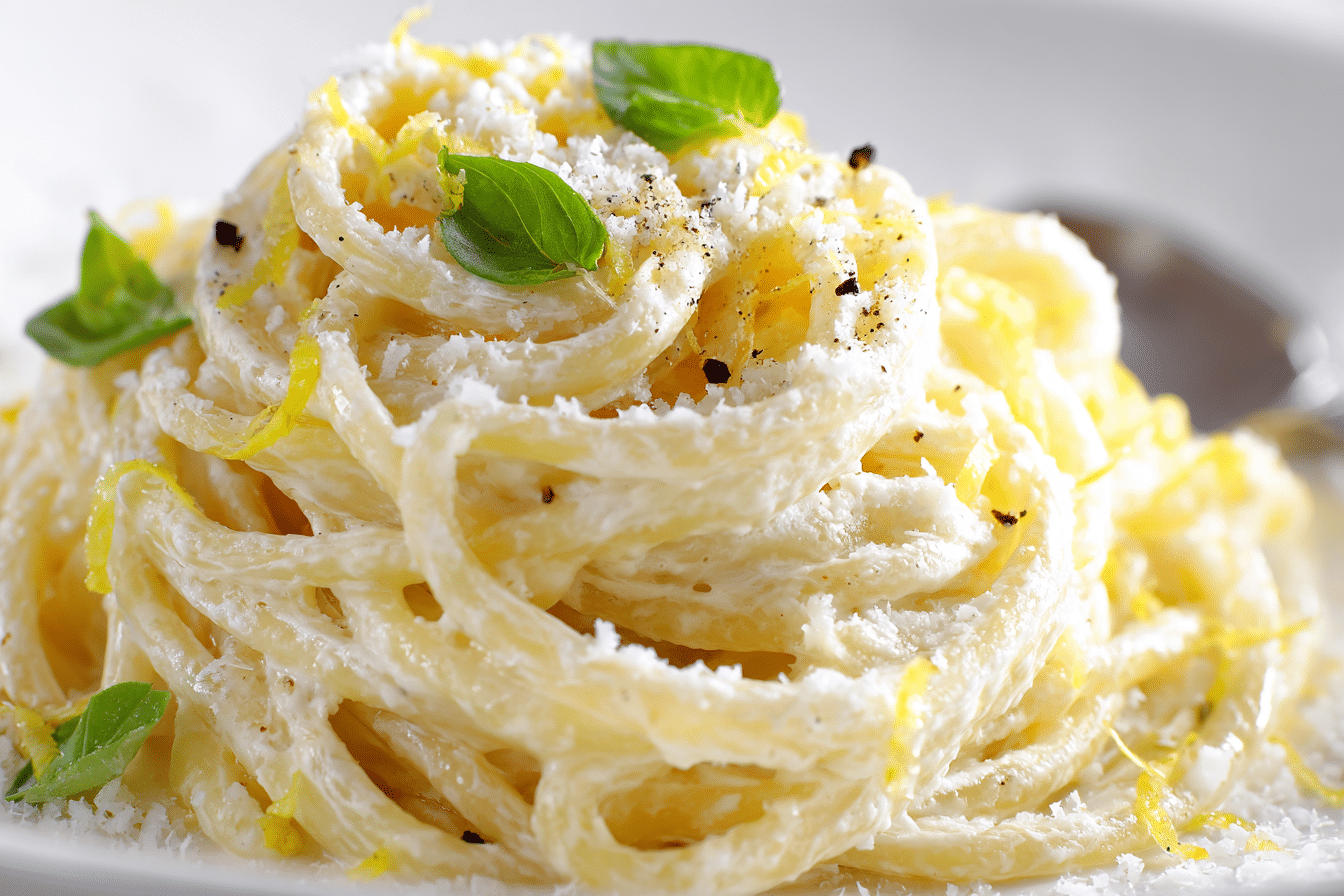
Stanley Tucci’s Irresistibly Creamy Lemon Ricotta Pasta welcomes several variations while keeping its signature creamy citrus character.
Fresh ricotta usually produces the smoothest sauce. If the ricotta appears thick or slightly grainy, whisking it briefly before mixing with other ingredients can help create a smoother base.
For additional texture, sautéed vegetables can join the pasta. Spinach, zucchini, or asparagus blend especially well with the lemon and ricotta flavors.
A handful of toasted pine nuts or walnuts introduces gentle crunch and nutty richness that contrasts with the creamy sauce.
Protein additions such as grilled chicken or shrimp can transform the dish into a more substantial meal. Their mild flavor pairs naturally with the citrus-ricotta sauce.
For a deeper savory profile, replace part of the parmesan with pecorino romano. This cheese carries a sharper taste that balances the creamy ricotta.
Whole-wheat pasta can supply additional fiber and a mild nutty character. Gluten-free pasta made from rice or chickpeas also works when cooked carefully and combined with enough pasta water.
Herbs can add freshness without overwhelming the dish. Parsley, basil, or chives complement lemon and ricotta nicely.
Maintaining proper sauce consistency remains the most important tip. Adding pasta water gradually allows the ricotta mixture to transform into a silky coating rather than a thick paste.
Serving Ideas & Occasions
Stanley Tucci’s Irresistibly Creamy Lemon Ricotta Pasta suits many dining occasions because of its comforting flavor and elegant simplicity.
For a casual evening meal, serve the pasta with a crisp green salad dressed with olive oil and lemon. The fresh vegetables provide contrast to the creamy noodles while keeping the meal balanced.
Roasted vegetables also pair beautifully with the dish. Roasted asparagus, broccoli, or carrots complement the citrus flavor and introduce texture.
The pasta works nicely as part of a larger Italian-style dinner. It can accompany grilled chicken, seafood, or roasted fish while still standing proudly as a main component of the meal.
During warm seasons, the bright lemon flavor feels especially refreshing. The dish remains satisfying without feeling overly heavy.
For smaller gatherings or dinner with friends, the pasta can be served family-style in a large bowl topped with extra parmesan and fresh herbs. The creamy texture and citrus fragrance create an inviting centerpiece.
Leftovers also reheat gently with a splash of water, bringing the sauce back to a smooth consistency.
Nutritional & Health Notes
Stanley Tucci’s Irresistibly Creamy Lemon Ricotta Pasta offers satisfying flavor while relying on relatively simple ingredients.
Ricotta cheese provides protein and calcium while delivering the creamy texture central to the dish. Compared with heavier cream sauces, ricotta often produces a lighter consistency.
Lemon juice and zest contribute vitamin C and vibrant flavor without requiring heavy sauces or excess fat.
Parmesan cheese adds depth and saltiness in small amounts, meaning a little cheese goes a long way in flavor.
Pasta supplies carbohydrates that provide energy and help create a filling meal. Choosing whole-grain pasta increases fiber content and may support digestive health.
Olive oil contributes heart-friendly fats that complement the dairy components while adding smooth texture to the sauce.
When paired with vegetables or lean protein, this pasta fits comfortably within a balanced meal pattern.
FAQs
What pasta shape works best for Stanley Tucci’s Irresistibly Creamy Lemon Ricotta Pasta?
Long pasta shapes such as spaghetti, linguine, or fettuccine usually work especially well for this recipe. Their smooth surface allows the ricotta mixture to coat each strand evenly once pasta water loosens the sauce. The strands also capture small pockets of creamy sauce with every forkful. Short shapes like penne or rigatoni can still function, though they sometimes hold the sauce slightly differently. Choosing high-quality pasta with a firm texture helps the noodles maintain structure during mixing.
Why is pasta water important in this recipe?
Pasta cooking water plays a key role in transforming the ricotta mixture into a smooth sauce. During cooking, pasta releases starch into the water. That starch helps the ricotta blend with the lemon juice, olive oil, and cheese while forming a silky coating around the noodles. Adding the water gradually allows control over the thickness of the sauce. Without this step, the ricotta mixture may remain too thick and fail to spread evenly across the pasta.
Can the pasta be prepared ahead of serving?
Stanley Tucci’s Irresistibly Creamy Lemon Ricotta Pasta tastes best shortly after preparation because the sauce forms while the pasta remains hot. However, leftovers can still be stored in a sealed container in the refrigerator for up to two days. During reheating, adding a small splash of water or milk while warming the pasta helps restore the creamy texture. Gentle heat works best so the ricotta does not separate.
Can this dish include vegetables?
Vegetables combine very well with the lemon and ricotta flavors. Spinach, asparagus, peas, or zucchini often work nicely. Lightly sautéing or steaming vegetables before mixing them with the pasta keeps their texture tender while preserving color. These additions also bring variety and freshness to the plate while maintaining the creamy citrus character of the dish.
Is whole-milk ricotta necessary?
Whole-milk ricotta usually produces the smoothest and creamiest sauce because of its higher fat content. Part-skim ricotta can still function in the recipe, though the sauce may appear slightly less rich. If using part-skim ricotta, adding a small drizzle of olive oil or a bit more pasta water may help achieve the desired creamy consistency.
Can other cheeses replace parmesan?
Parmesan provides savory depth and saltiness, though pecorino romano can also work as a substitute. Pecorino offers a sharper flavor because it is produced from sheep’s milk rather than cow’s milk. Mixing a small portion of both cheeses can also produce a balanced taste that blends nuttiness and brightness with the lemon and ricotta.
How can the lemon flavor be adjusted?
The strength of the lemon flavor can easily be adjusted based on preference. Adding additional lemon zest increases citrus aroma without increasing acidity too much. Extra lemon juice creates stronger tang and brightness. Beginning with moderate amounts and tasting during mixing allows gradual adjustment until the pasta reaches a balanced flavor between creaminess and citrus freshness.
PrintStanley Tucci’s Irresistibly Creamy Lemon Ricotta Pasta: 5 Simple Comfort Bowls
Stanley Tucci’s Irresistibly Creamy Lemon Ricotta Pasta combines tender pasta with ricotta cheese, fresh lemon, parmesan, and olive oil for a bright and silky Italian-style dish.
Ingredients
12 ounces spaghetti or linguine
1 cup whole-milk ricotta cheese
1/2 cup finely grated parmesan cheese
1 tablespoon lemon zest
2 tablespoons fresh lemon juice
2 tablespoons olive oil
1 teaspoon freshly ground black pepper
Salt for pasta water and seasoning
1 cup reserved pasta cooking water
Instructions
-
Bring a large pot of salted water to a boil.
-
Cook pasta until tender yet slightly firm.
-
Reserve about 1 cup of pasta cooking water before draining.
-
In a bowl combine ricotta, parmesan, lemon zest, lemon juice, olive oil, and black pepper.
-
Add a few tablespoons of pasta water to the ricotta mixture and stir.
-
Transfer hot pasta to a large bowl and pour the ricotta mixture over it.
-
Toss while gradually adding more pasta water until a creamy sauce forms.
-
Adjust seasoning and serve with additional parmesan and lemon zest.
Notes
Adding pasta water gradually helps achieve a silky sauce that coats the noodles evenly.